US Patents 10,744,796 · 11,254,142 · ARS New York
Iron
Gall
Described by Pliny the Elder, 77 AD.
Used to authenticate the Magna Carta.
Patented for the monotype, 2020.
A patented monotype process.
Iconic.
Timeless.
No 556
McIntyre Patents
Every authenticated piece carries No 556
Printed in the United States of America
No 556
McIntyre Patents
Printed in the United States of America
About KMX Research LLC
KMX Research LLC is a studio and IP company. It owns two U.S. utility patents, manufactures and sells iron gall prints, and holds the founder's transferred artwork, papers, and research as private company property. It does not hold these materials in public trust.
Lineage
Two thousand years.
One chemistry.
Printed in the United States of America
One patented process · US Patents 10,744,796 · 11,254,142 · KMX Research LLC
The series
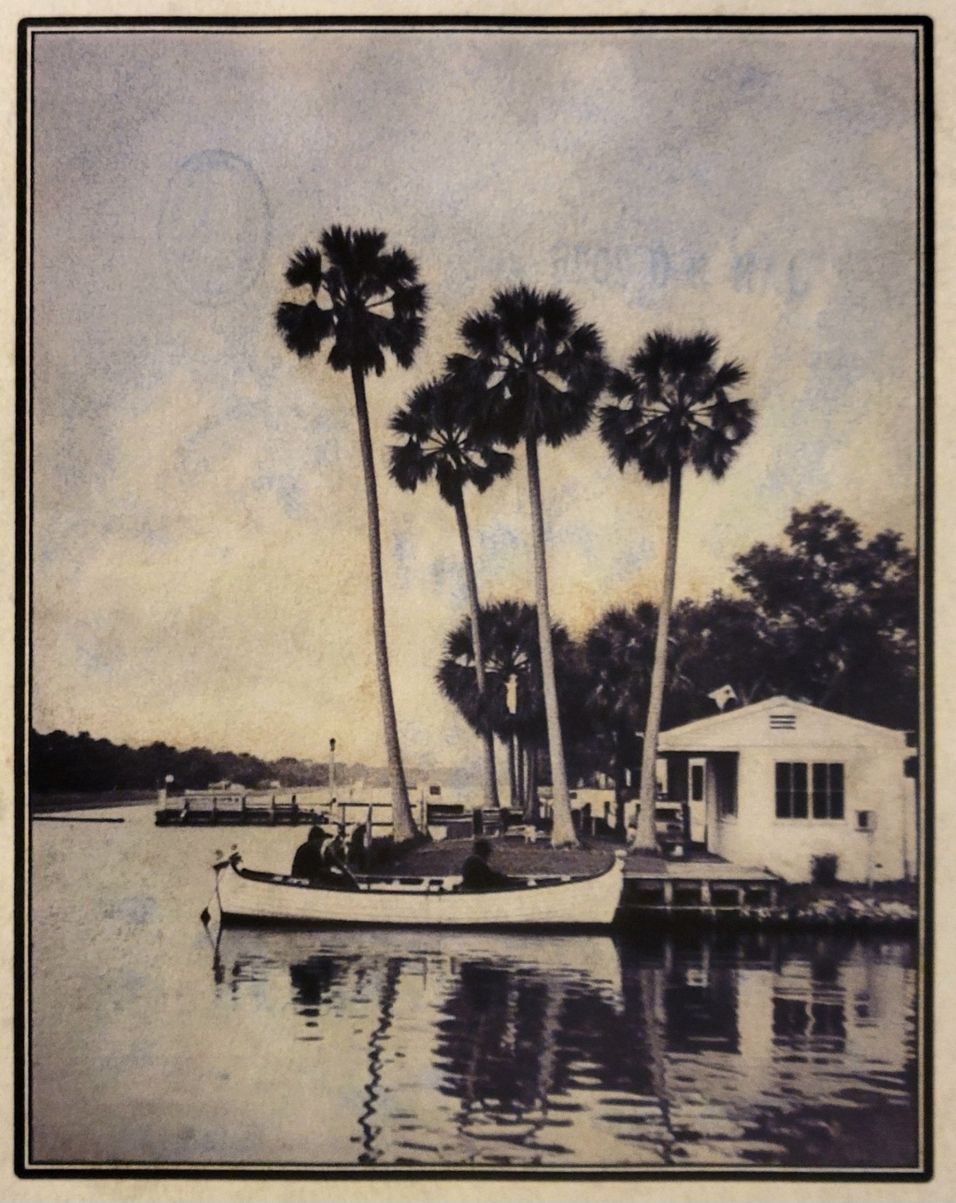
After Mr. Flagler's Artists
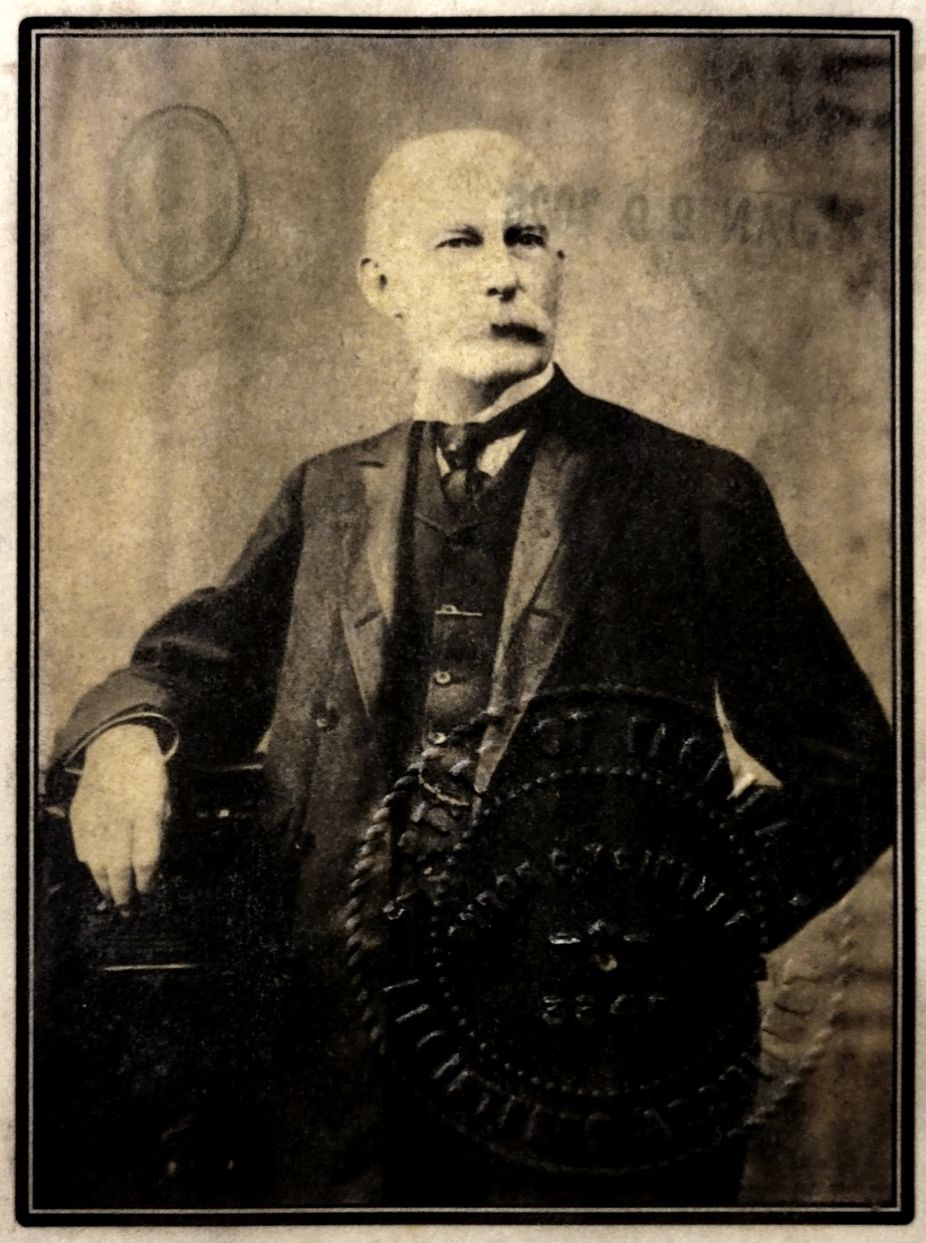
Henry Flagler, co-founder of Standard Oil with John D. Rockefeller, built the Hotel Ponce de Leon in 1888 with his handpicked preeminent artists. Martin Johnson Heade, whose works hang in the White House and the National Gallery of Art, held Studio No. 7. Louis Comfort Tiffany designed the interiors. Shapleigh, Coman, de Crano among others, invited by men for whom industry and invention were inseparable from beauty. Flagler built a railroad and a hotel worthy of what he believed the American character could become. The contracts that built the century and the canvases that recorded it were signed and sealed in the same chemistry. Iron gall ran through both.
Each iron gall print works from that same historical record. A custom image precursor is derived from historical reference, itself unique, legacy, unrepeatable. A precisionist converts it through the patented iron gall process into a chemical object within the paper fiber. Each finished piece is sealed with Renaissance Wax, the microcrystalline conservation wax developed at the British Museum, bearing a royal warrant, used in museum collections worldwide. Approximately 4 × 3 inches, a deliberate return to the intimacy of original daguerreotypes and cabinet cards. Small enough to slip between the pages of a library book. Made to last, if properly cared for. The result is not a reproduction. It is a legacy: singular, verified, and chemically distinct.
"The chemistry cannot produce the same piece twice."
Henry M. Flagler
After Mr. Flagler's Artists
McIntyre Patents
No 556 · US 10,744,796 · 11,254,142
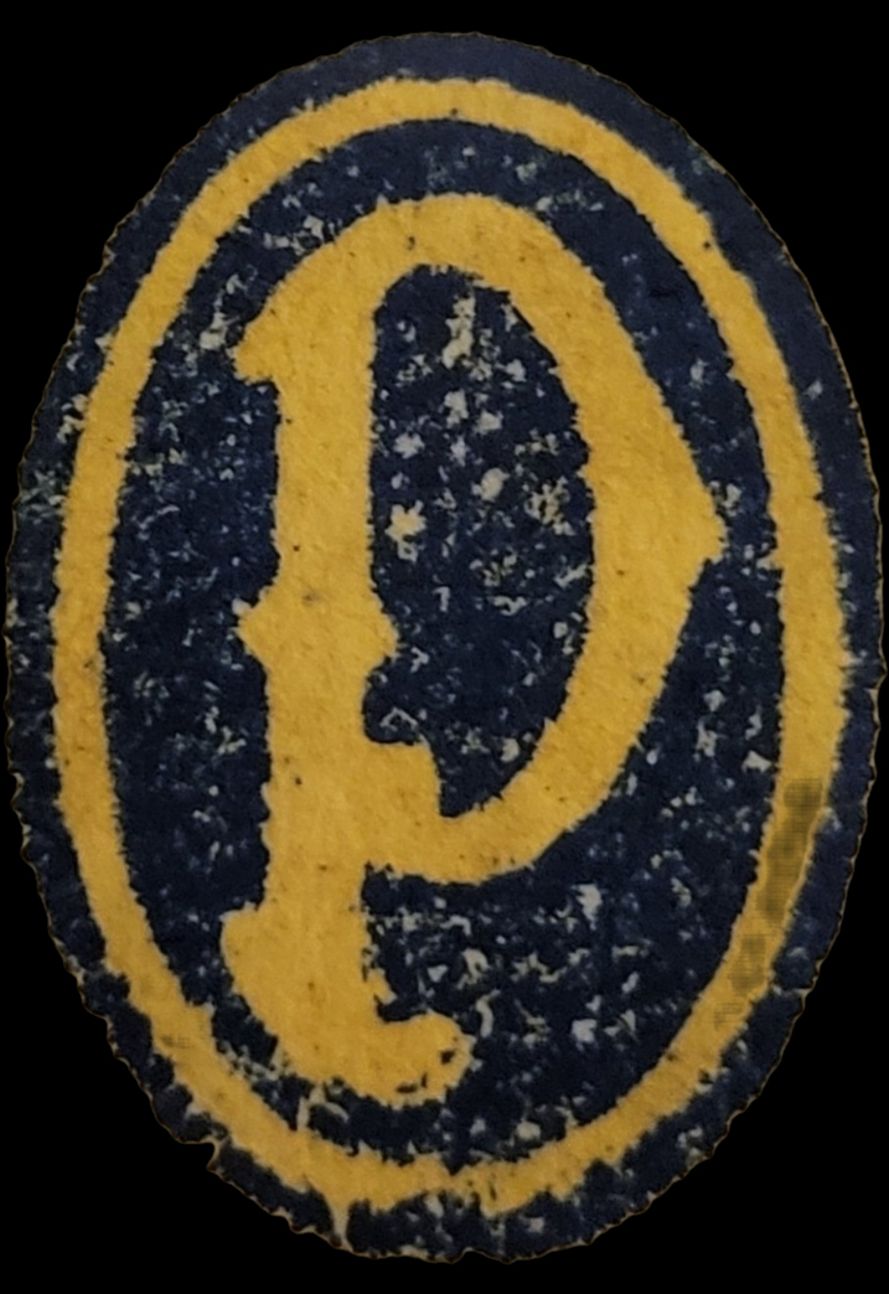
The P is the personal monogram of Peter Pereira, Wabash engineer, great-grandfather of the inventor. Killed in a collision near Ritchie, Illinois, October 17, 1899. His fireman jumped. He stayed with the engine.
Authentication
The authentication record
Holograms are mass-duplicated. RFID chips are cryptographically broken. DNA taggants transfer by swab. Blockchain cannot bind a record to a physical object. Iron gall is different in kind, highly resistant to duplication, and scientifically verifiable at every stage.
Chemistry-embedded
The iron signature lives inside the paper fiber, not applied, not laminated. XRF analysis confirms iron ion concentration within the print itself. It is highly resistant to swab-transfer or surface cloning.
Third-party verified
Williamstown Art Conservation Center: XRF analysis, photomicrography, UV examination, Fe²⁺ spot testing. The examination record is on file. This is documented science, not a claim.
Patented and traceable
US Patents 10,744,796 and 11,254,142. Each piece carries a dated Declaration of Authenticity with a serial number coded to KMX Research LLC D-U-N-S No. 13-748-6455. One exists. One only.
Artists Rights Society
The founder is registered with Artists Rights Society (ARS), New York, the same organization that administers rights for Picasso, Warhol, and Matisse. Every iron gall print carries the ARS copyright notice. Licensing inquiries welcome. Select Licensing below.
Museum-grade conservation
Each piece is sealed with Renaissance Wax, the microcrystalline conservation wax developed at the British Museum Research Laboratory in the late 1950s, bearing a royal warrant. The standard for museum collections worldwide.
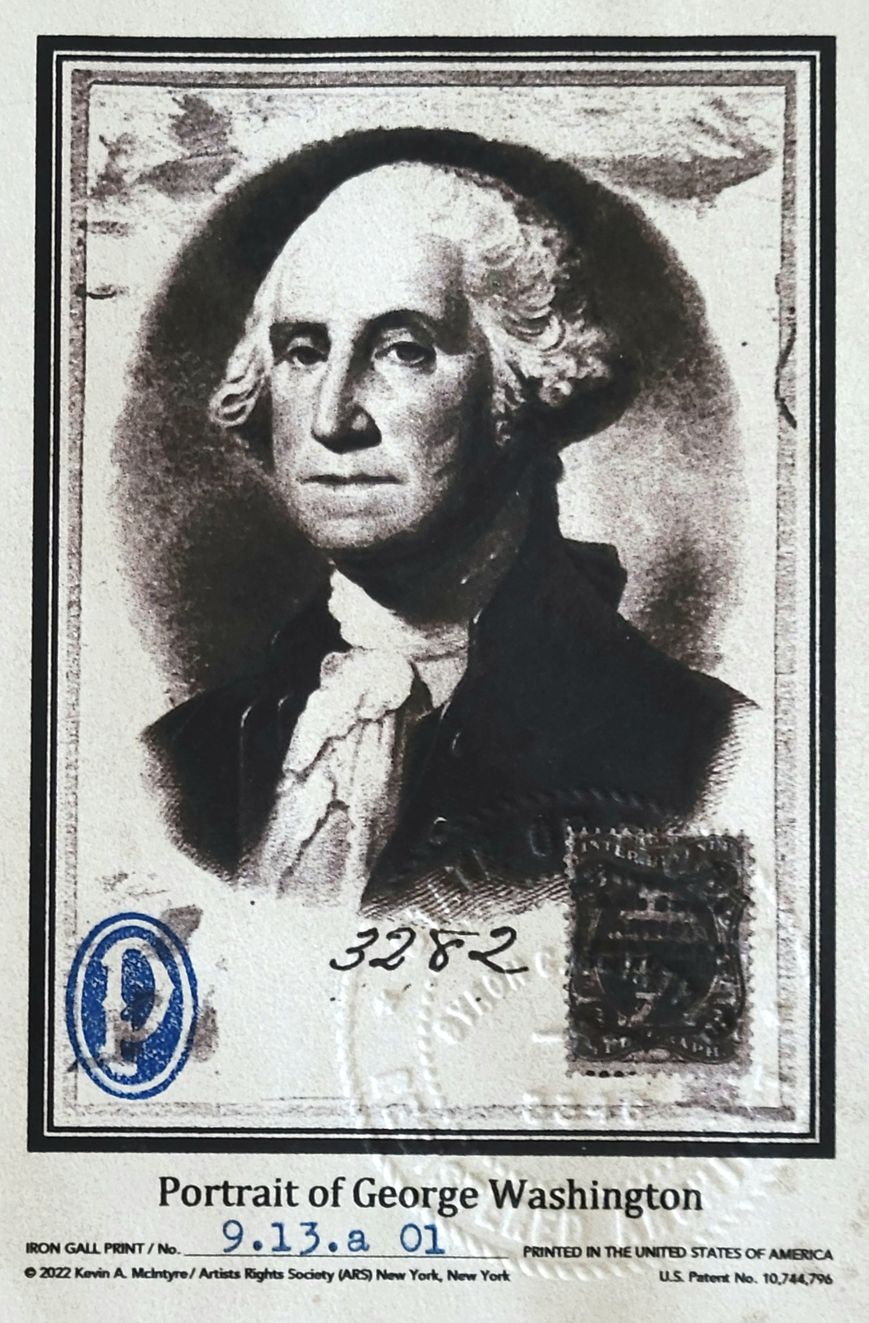
Declaration of Authenticity
Every authenticated iron gall print is issued with a Declaration of Authenticity affixed directly to the work. The declaration carries the print number, handwritten serial, the Artists Rights Society copyright notice, and US Patents 10,744,796 and 11,254,142.
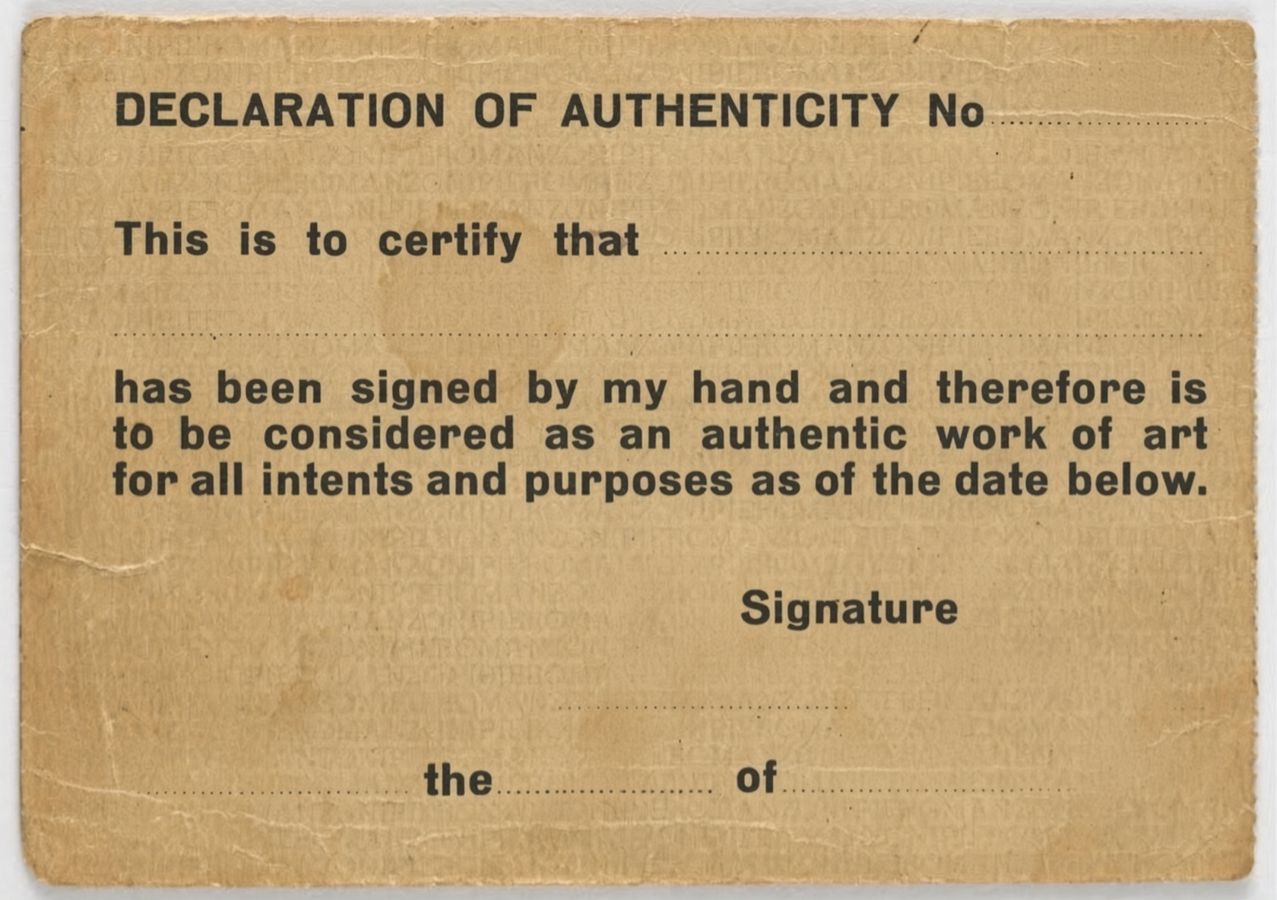
The science
What conservation science found
In 2018, two iron gall prints were submitted to the Williamstown Art Conservation Center for independent examination. Conservator Brook Prestowitz conducted UV radiation analysis, stereo microscopy, X-ray Fluorescence spectrometry, and discreet Fe²⁺ spot testing. The findings are on file under WACC Project No. P-2880.
The examination confirmed iron ion concentrations within the print and documented a resinous media sitting in physical relief on the paper surface, a three-dimensional chemical structure visible under magnification and measurable by XRF. What follows is selected from that record.
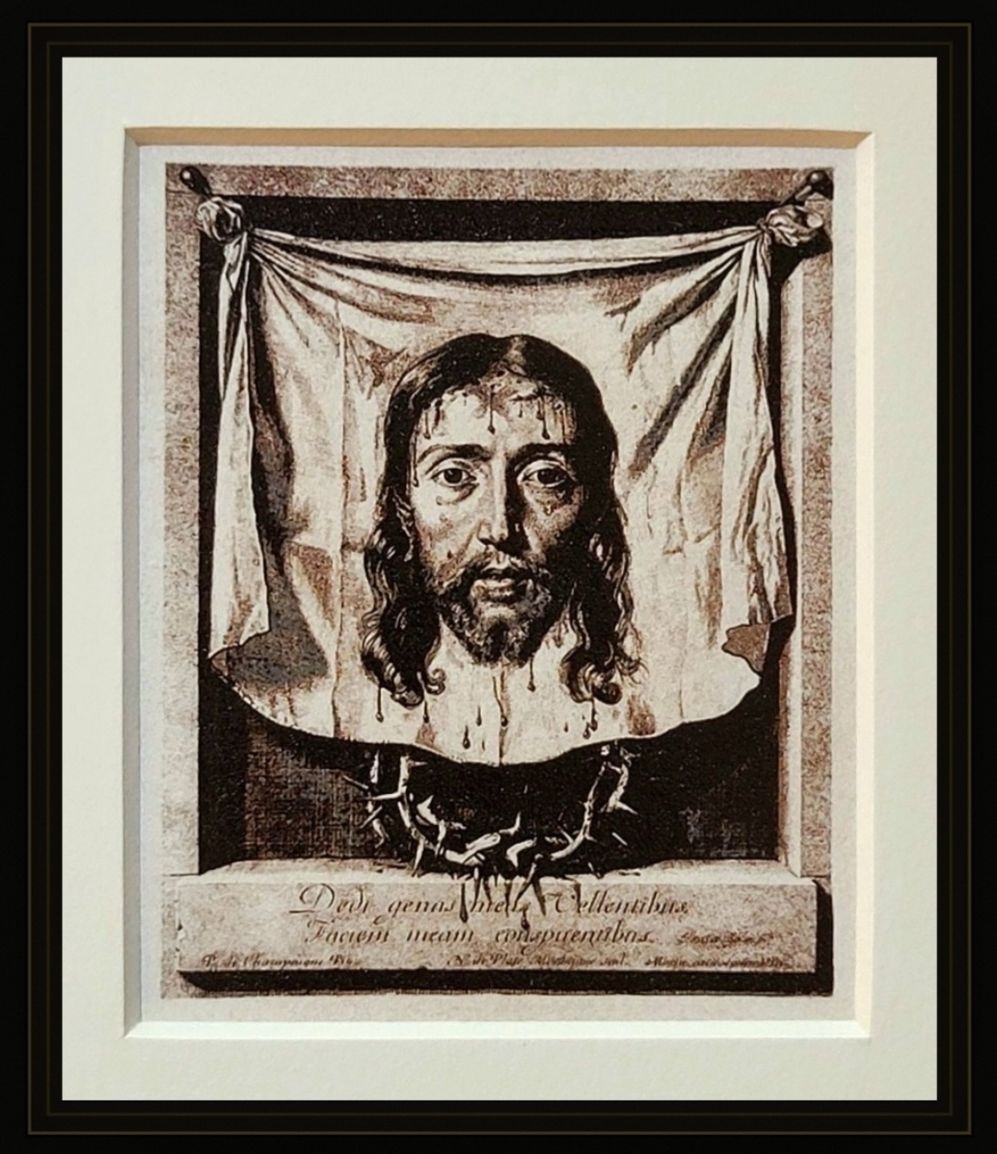
The Veil of Saint Veronica, after Nicolas de Plattemontagne after Philippe de Champaigne, 2018
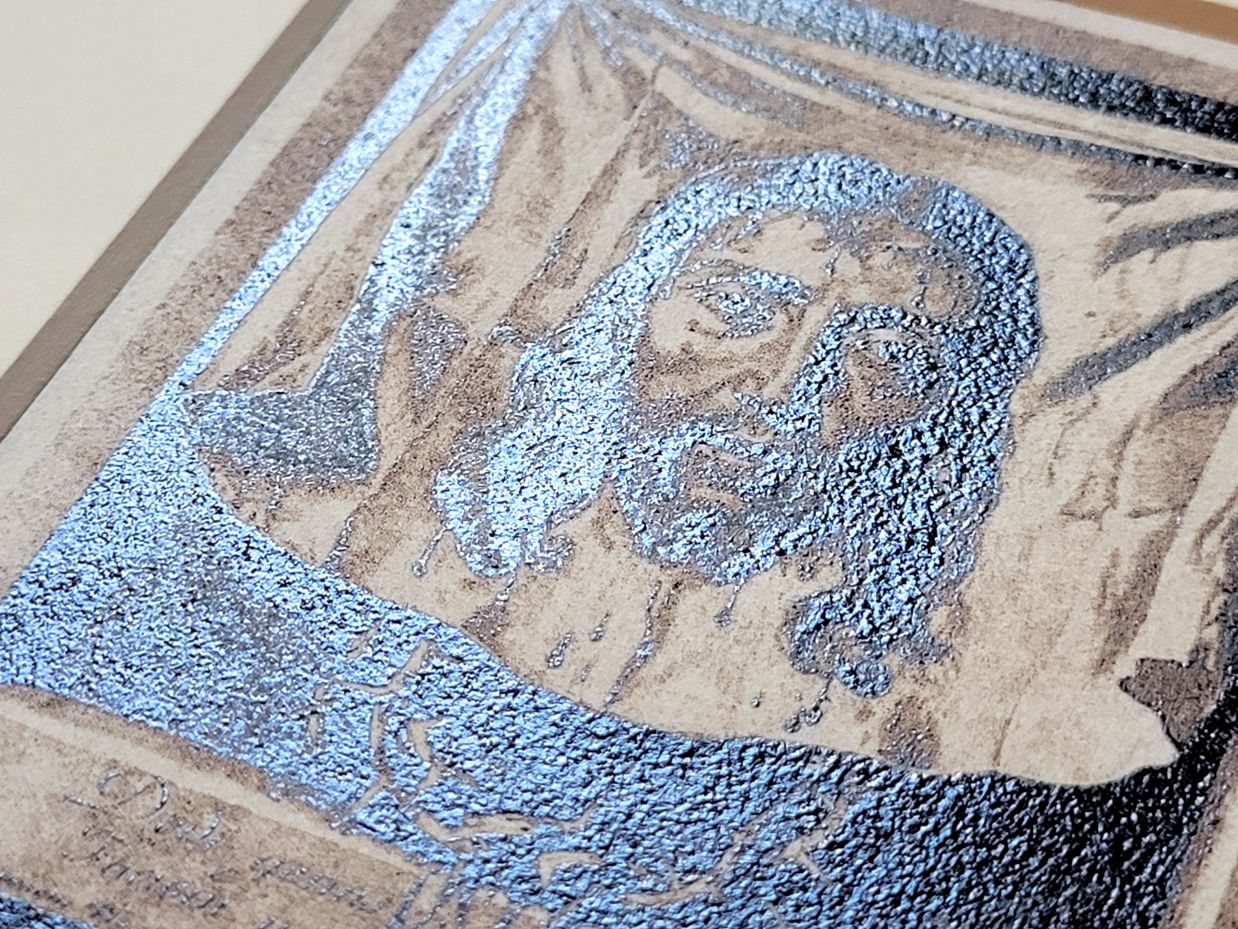
Iron gall surface, three-dimensional resinous relief visible under magnification
The conversion at particle level
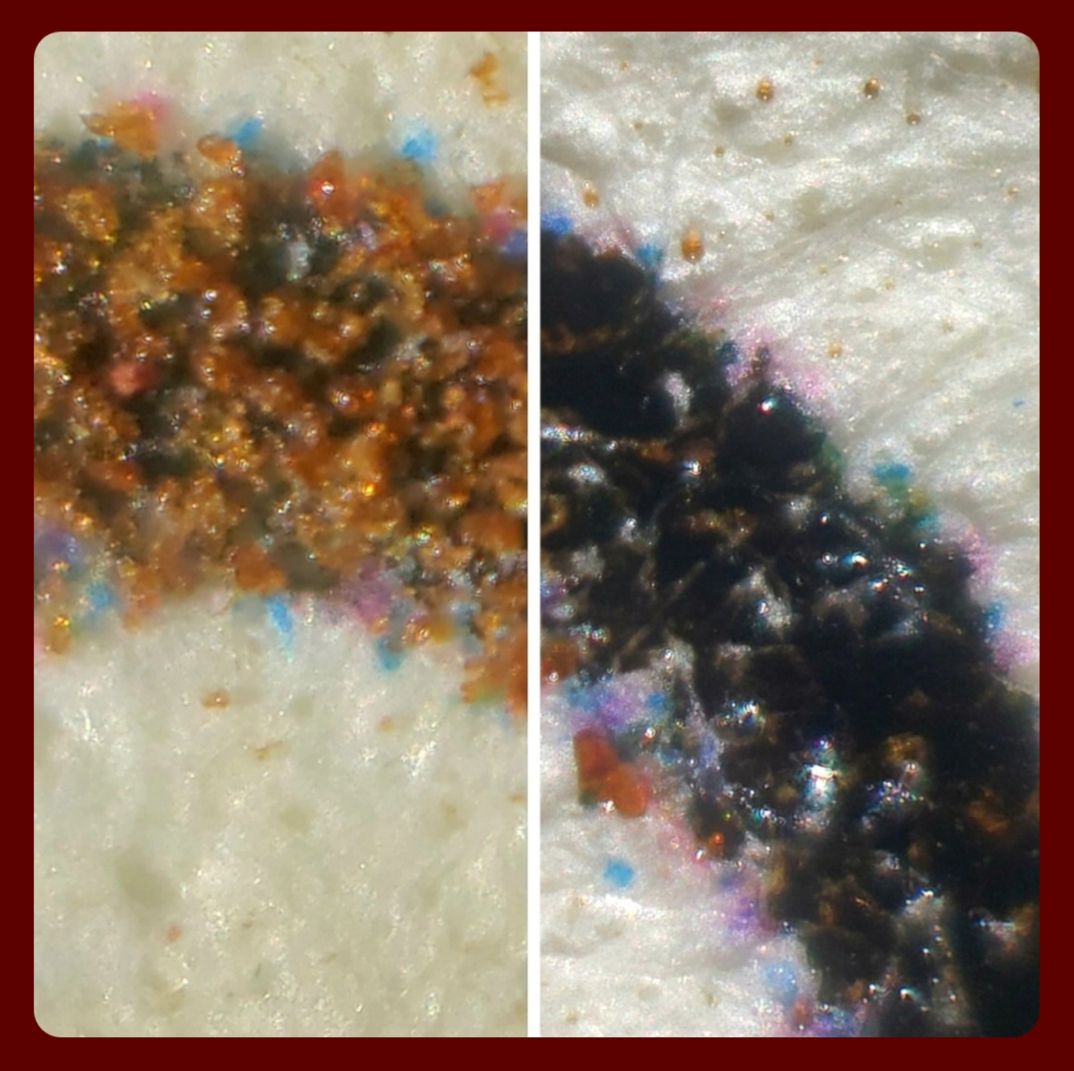
Left: tannin granules held in place by the inkjet ink carbon, pre-iron salt application. The warm amber particles are imaging tannin. The scattered color particles are inkjet ink. Right: the same material after iron salt activation. The tannin has converted to crystalline iron-tannin compounds. The warm amber becomes permanent black. The reaction is complete, embedded, and irreversible.
The transformation
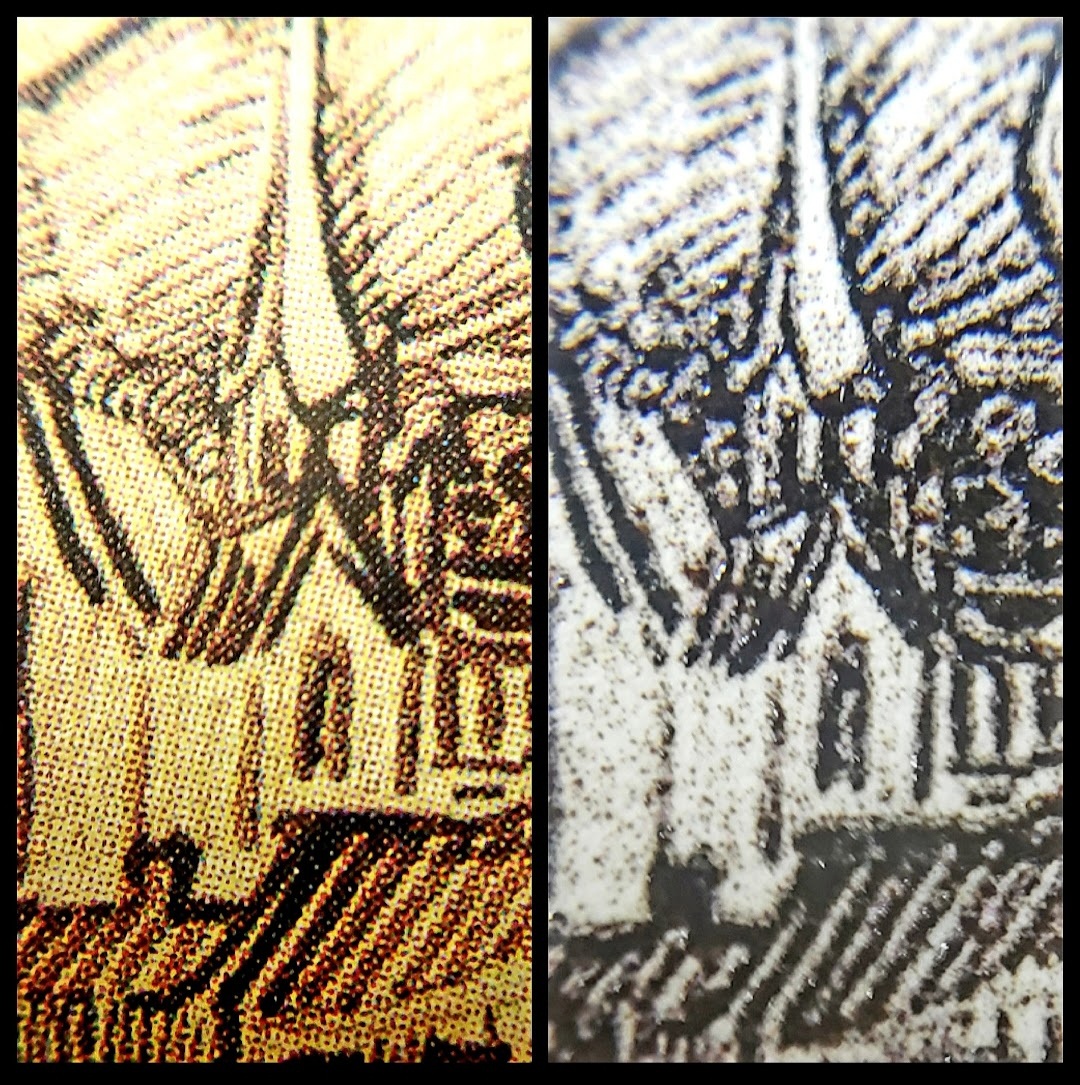
Left: the offset image precursor, showing the regular halftone dot pattern of digital print technology. Right: the same image after the iron gall process, US Patent 10,744,796. The mechanical dot pattern is transformed into organic iron-tannin compounds within the paper fiber. The warm digital tones become the cool chemistry of iron gall. The object is no longer a print. It is a chemical event, recorded in cotton.
X-ray Fluorescence spectrometry
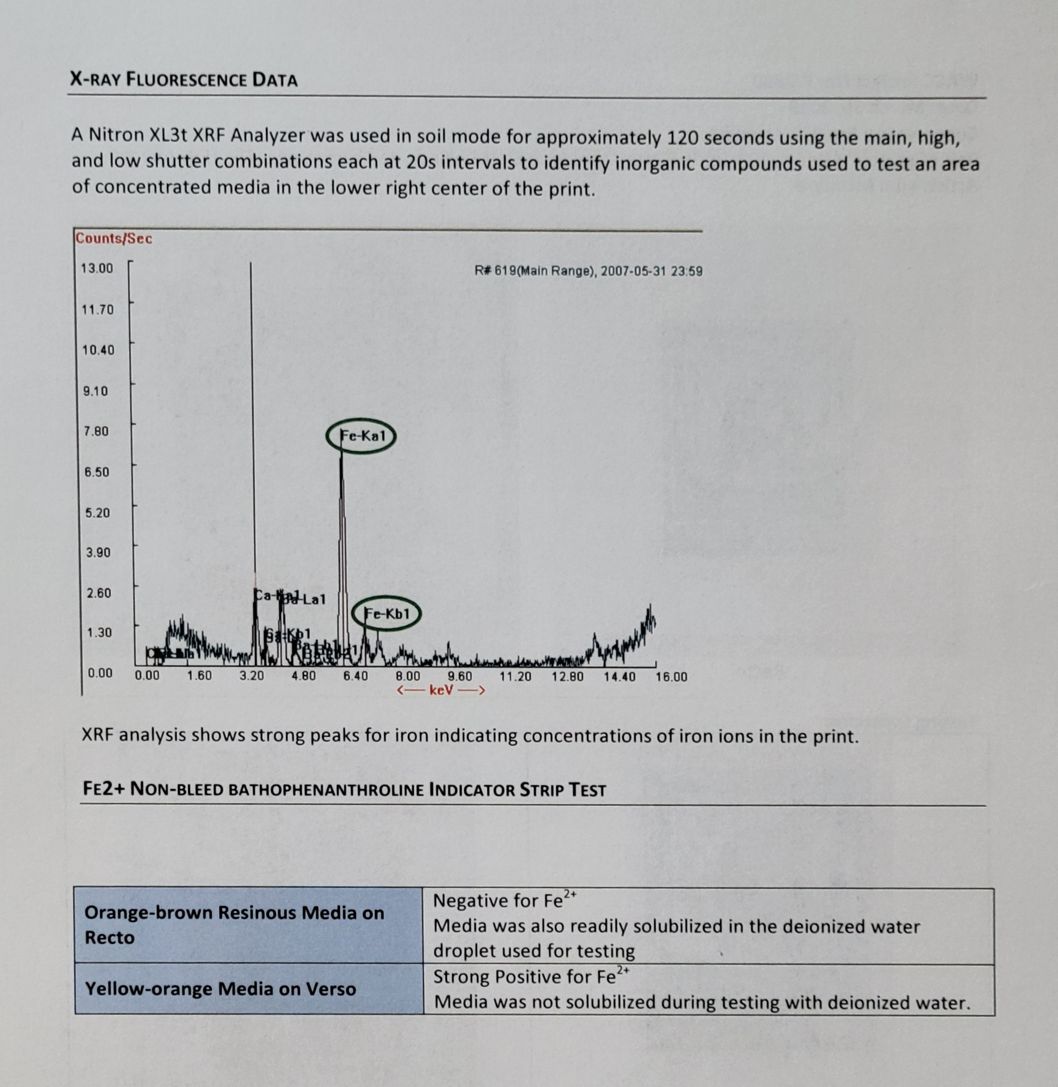
The Nitron XL3t XRF Analyzer identified dominant iron peaks (Fe-Ka1, Fe-Kb1) in the print. "XRF analysis shows strong peaks for iron indicating concentrations of iron ions in the print." The yellow-orange verso media tested strong positive for Fe²⁺ and did not solubilize in deionized water, consistent with iron gall chemistry.
Electron microscopy and elemental analysis
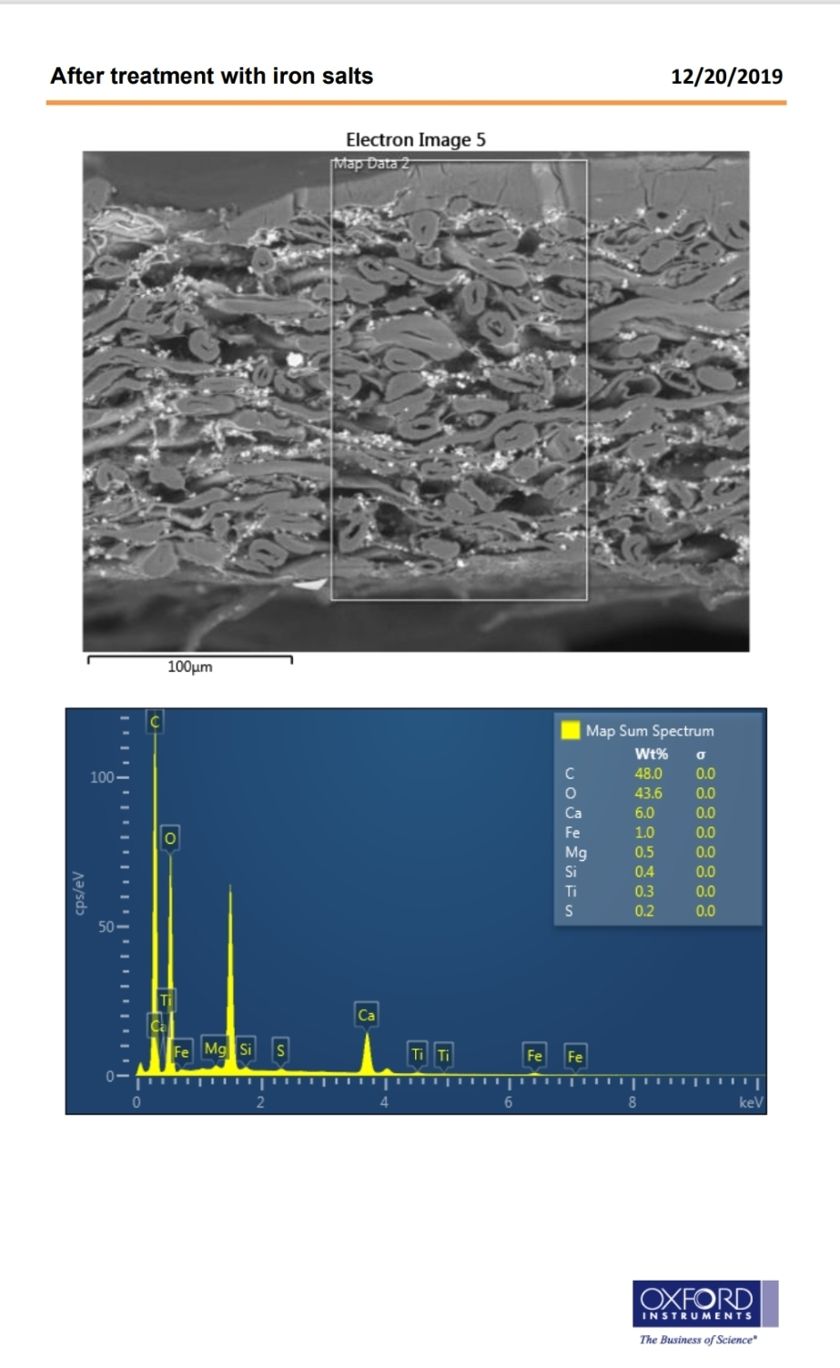
Clemson University Electron Microscopy Facility, Division of Research. Oxford Instruments EDS analysis, December 20, 2019. Electron image at 100 microns showing iron-tannin compounds embedded within cotton fiber after iron salt treatment. Elemental mapping confirms iron (Fe 1.0 Wt%) and titanium (Ti 0.3 Wt%) present within the fiber. Carbon and oxygen dominate as expected for cotton substrate. The iron is not on the surface. It is in the fiber.
Microscopy at 200×
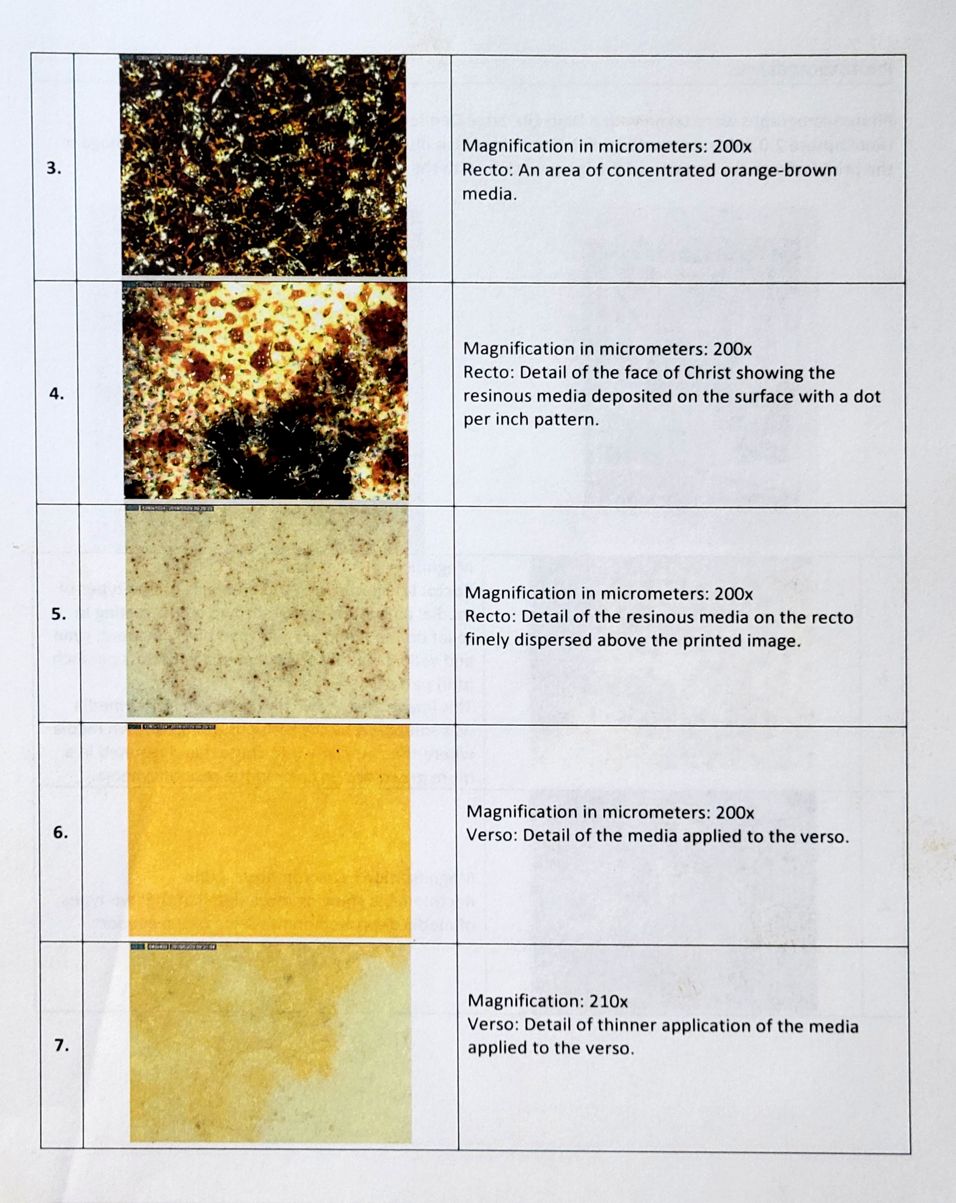
Dino-Lite Edge Demler digital microscope. The resinous orange-brown media sits in physical relief on the paper surface, creating a low relief image with a range of values through varying thickness. The layering is distinct from any conventional printing process.
Surface character
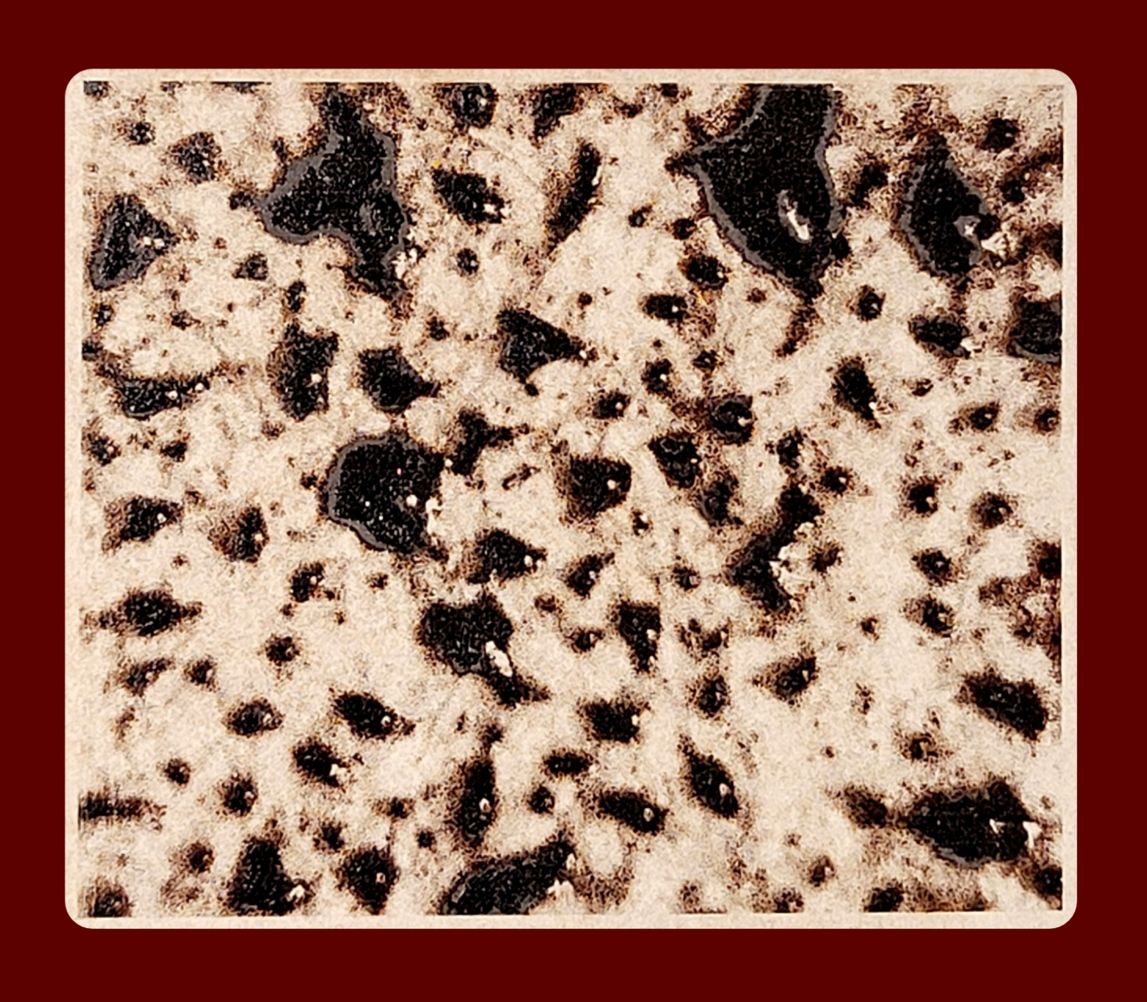
Iron gall surface under magnification. Resinous iron-tannin compounds in hardened relief.
The resinous iron-tannin surface captures, reflects, and refracts light in ways no conventional print can replicate. Under magnification, the material appears wet, a visual consequence of its three-dimensional chemistry. It is, in fact, hardened. This optical behavior is not a surface treatment. It is intrinsic to the chemistry itself.
The surface also functions as a record of integrity. Any post-printing modification to the imaging material is immediately legible under magnification. The object reveals what has been done to it. Tampering is not concealed. It is announced.
Examination record
Williamstown Art Conservation Center, Inc.
227 South Street, Williamstown, MA 01267
WACC Project No. P-2880
March 30, 2018
Conservator: Brook Prestowitz
Methods: UV radiation, stereo microscopy, XRF spectrometry, Fe²⁺ spot testing
US Patent 11,254,142 · Feb. 22, 2022
Multidimensional image reproduction technique
The second patent extends the iron gall process into three dimensions. Dry tannin powder adheres to the outer surface of an object as imaging tannin. An aqueous iron salt solution placed in a central channel diffuses outward through the object, converting the imaging tannin into a replica of the object. The tannin adheres to the substrate and is held in place until activated by the iron salt solution applied from the channel. The complexity of the chosen pattern allows precise monitoring of the transformation as it proceeds.
Tannin deposit, July 30, 2020
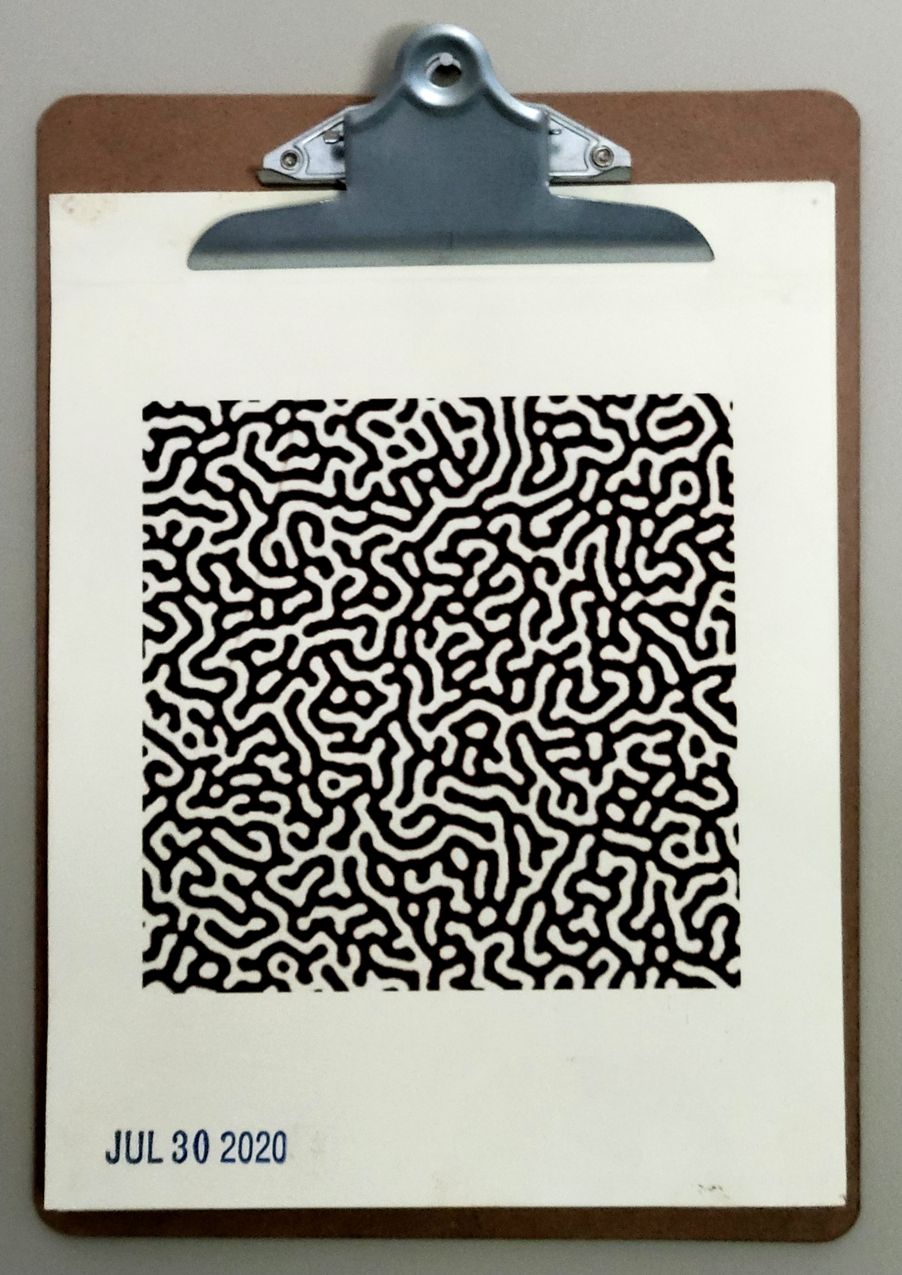
Tannin pre-iron salts, held vertically. Vermiculation pattern after the rusticated masonry of the Louvre, selected for its complexity and ease of monitoring the transformation.
Tannin surface at magnification
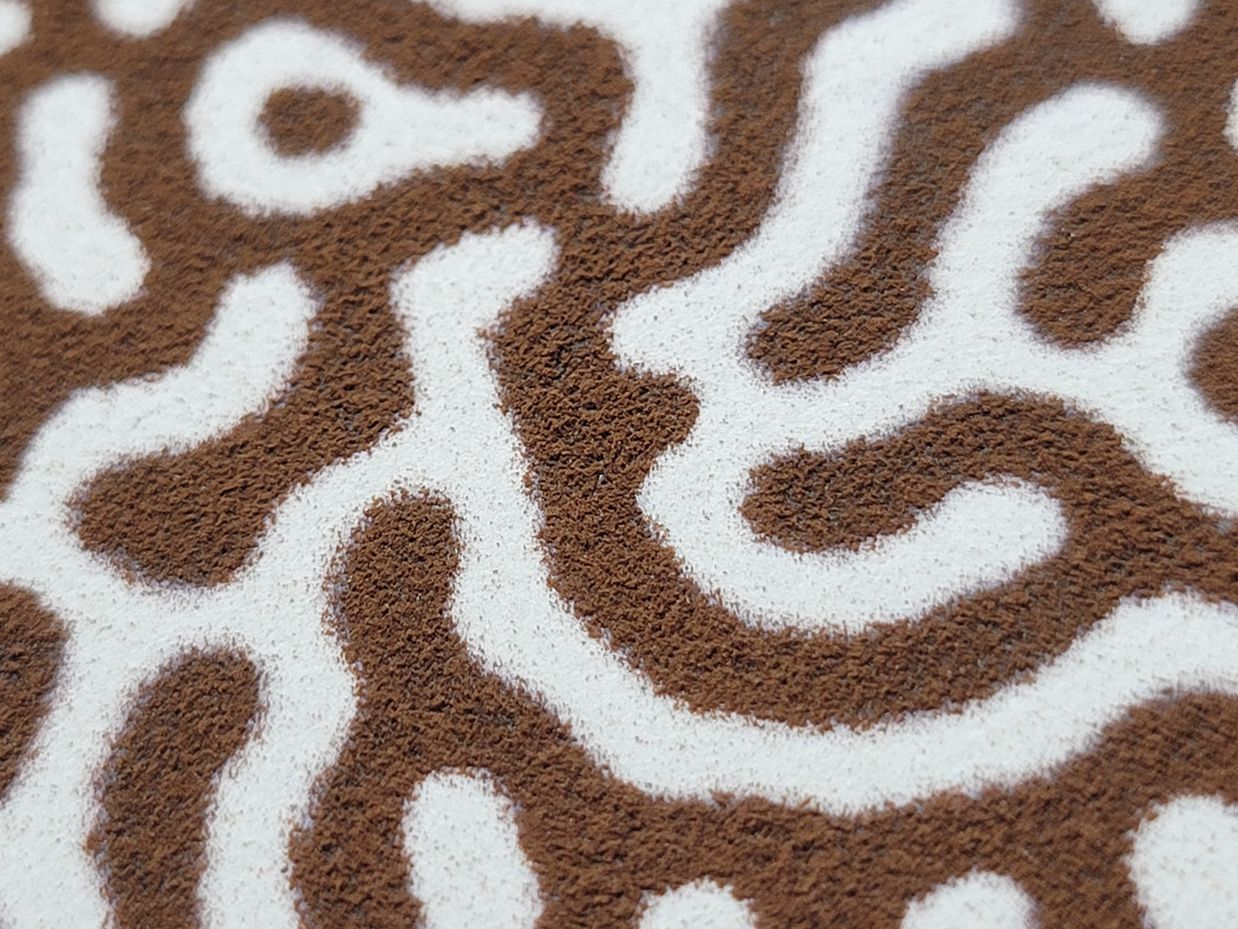
Tannin granularity under magnification. No two deposits are identical.
The apparatus
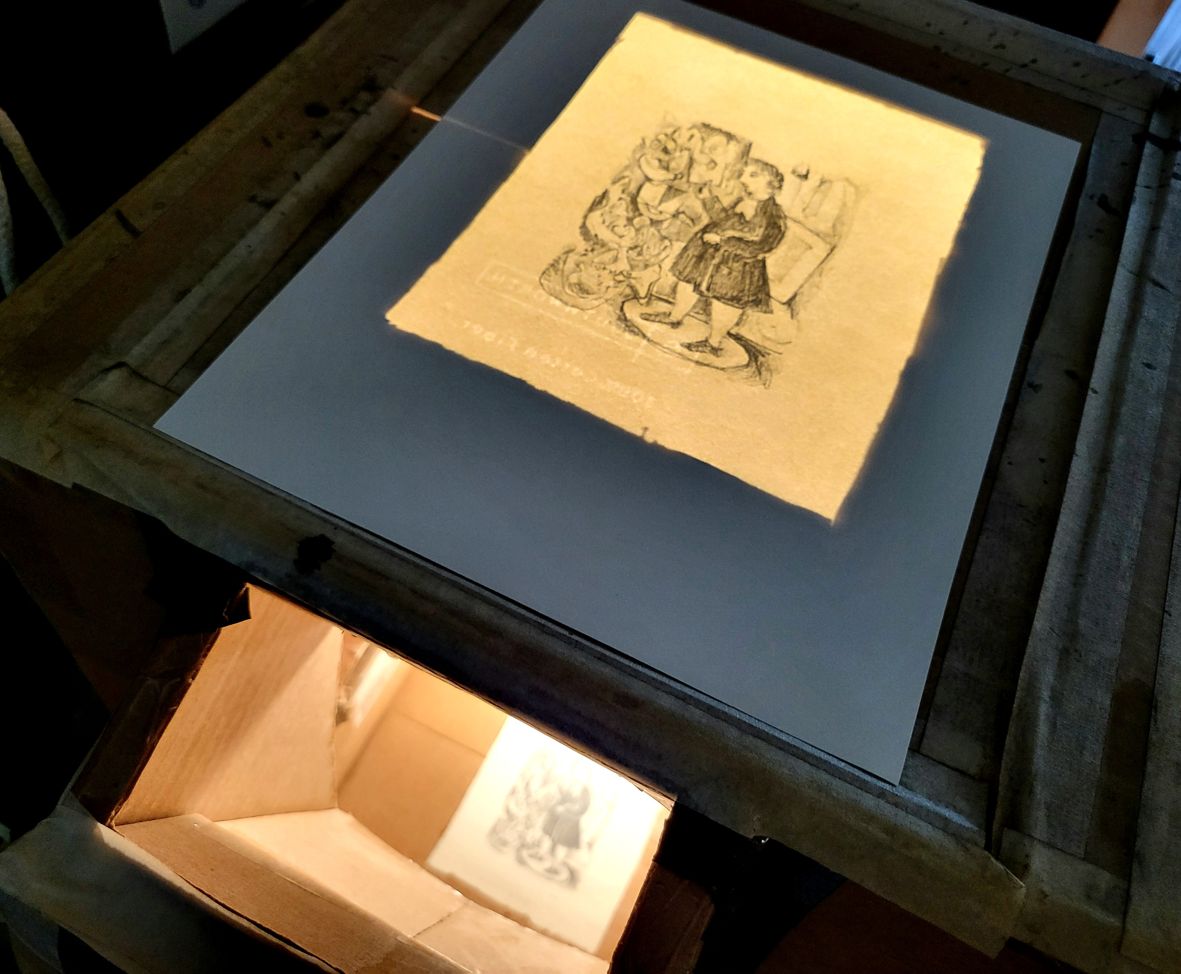
Holding apparatus. Paper held flat without surface contact. Iron salts applied from the back. Reaction observed through mirror viewing port.
Patent schematic
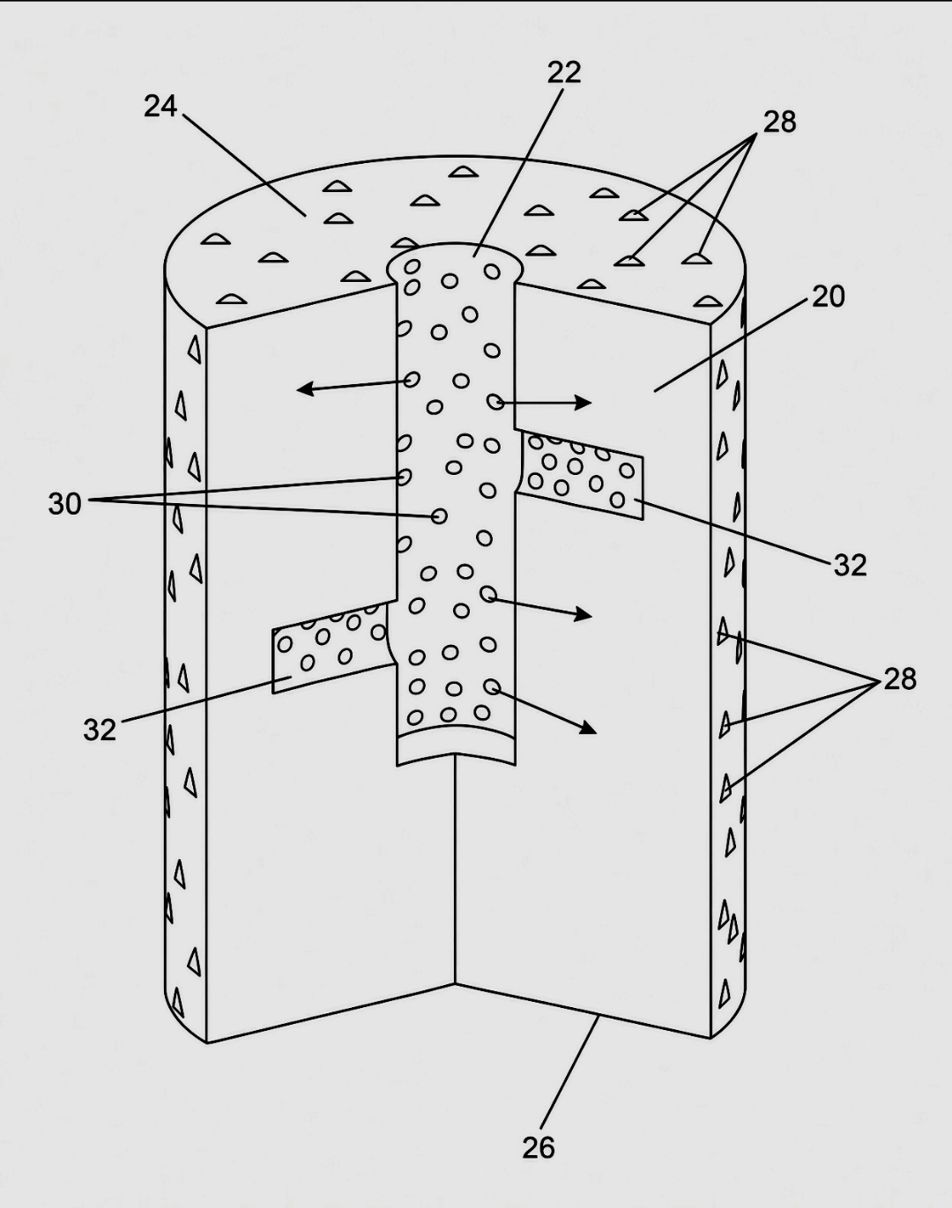
US 11,254,142 schematic. Iron salt diffuses outward through the substrate from a central channel.
On the nature of objects
Object over image.
In 1935, Walter Benjamin observed that mechanical reproduction destroys the aura of an artwork, its unique presence in time and space, its singular existence at the place where it happens to be. Photography, he argued, detaches the reproduced image from the domain of tradition. It makes copies without originals. It multiplies without limit. It distributes without consequence.
What Benjamin could not have anticipated was a process that uses the technology of reproduction to create objects that cannot be reproduced. A process in which the act of making is itself unrepeatable. In which chemistry, not craft alone, guarantees singularity.
The iron gall print begins with an image precursor: a photograph, a drawing, a document, transformed through chemical reaction into an object. The image becomes matter. What was infinitely reproducible becomes singular. What had no aura acquires one in the making.
A photograph of two people standing on their back lawn in front of their garden can exist in the millions. It is a record, not an object. It can be copied, sent, stored, deleted, forgotten. The same image rendered in iron gall carries a chemical signature that cannot be transferred from the paper in which it lives. It has what Benjamin called hic et nunc, here and now, a presence that belongs to this object alone. This is the new aesthetic standard. Not the image. The object.
"Even the most perfect reproduction of a work of art is lacking in one element: its presence in time and space, its unique existence at the place where it happens to be."
Walter Benjamin, The Work of Art in the Age of Mechanical Reproduction, 1935
It is not images that endure. Not memories, not emotions, not technology. What endures is what we cannot take with us, what is left behind for others to find, to hold, to carry forward.
Small works. Big hearts. Value added.
A foundation for something bigger.
Per Ardua.
The message, when sent, gets through.
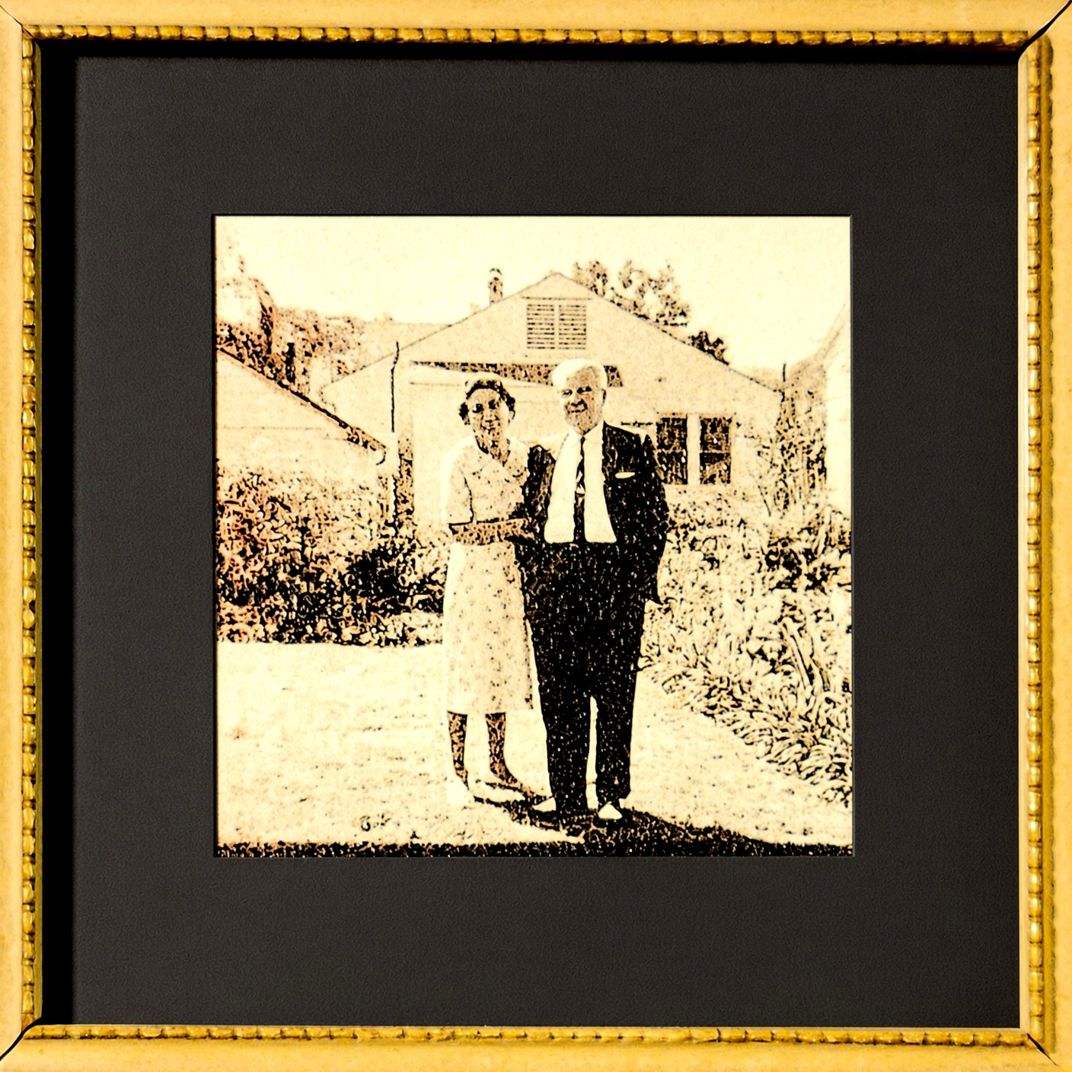
The McIntyres of Largo Place
San Marco, Jacksonville, Florida
Iron Gall Print
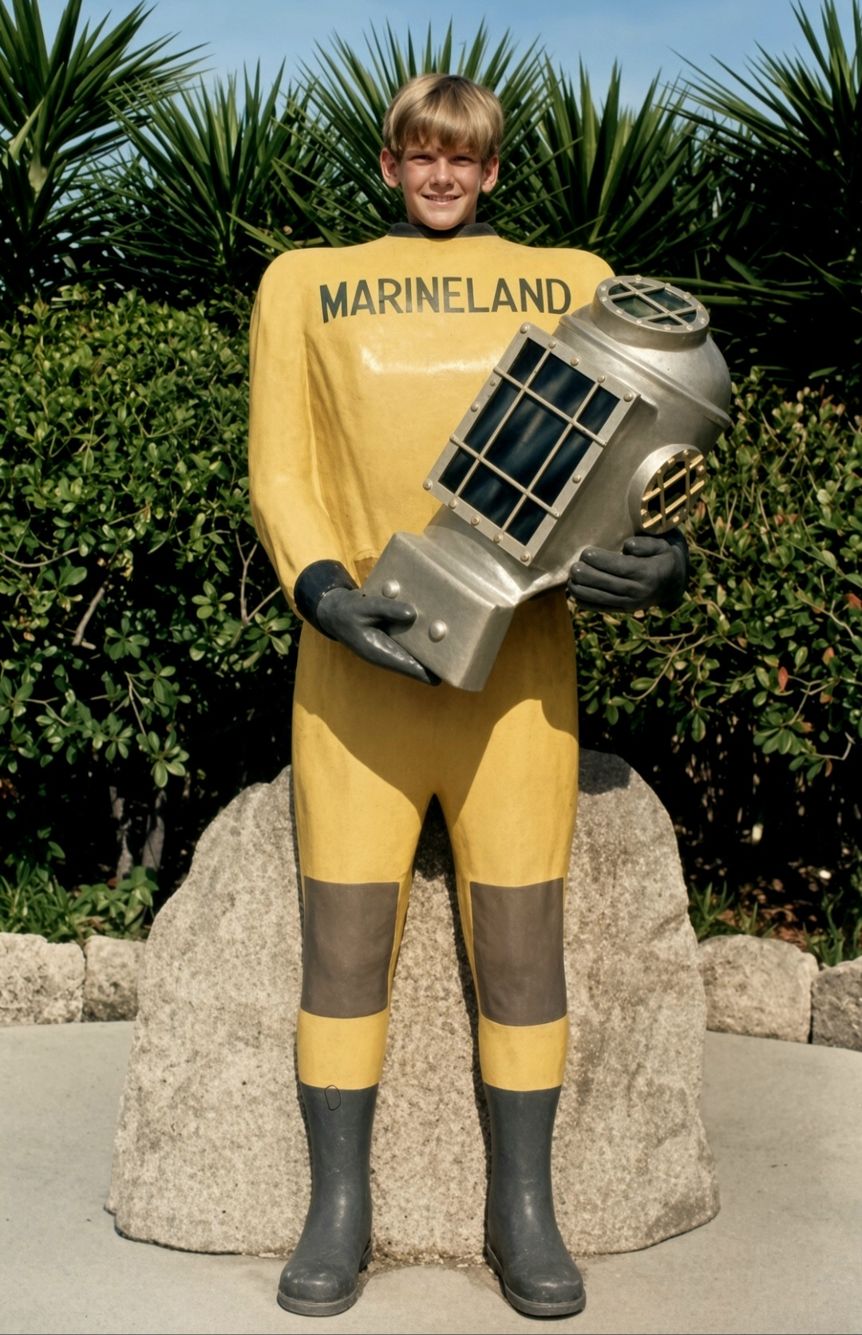
Marineland, Florida. 1973.
The curiosity that led here began on the First Coast, where Ponce de Leon searched for the Fountain of Youth.

St. Augustine, Florida. First Coast. Iron gall print.
The nature of iron gall
A battlefield at the nano scale.
The moment an American Iron Gall Print is complete, it begins its journey. The iron ions within the cotton fibers are in constant tension, fighting to return to their natural state. The wove 100% cotton fibers hold them in place. But heat, humidity, light, and neglect tip the balance. In time, without proper care, the fibers give way. This is not theoretical. It is precisely why so many early manuscripts written in iron gall ink have deteriorated to the point where the letterforms have eaten through the paper entirely, leaving the words as holes in the page.
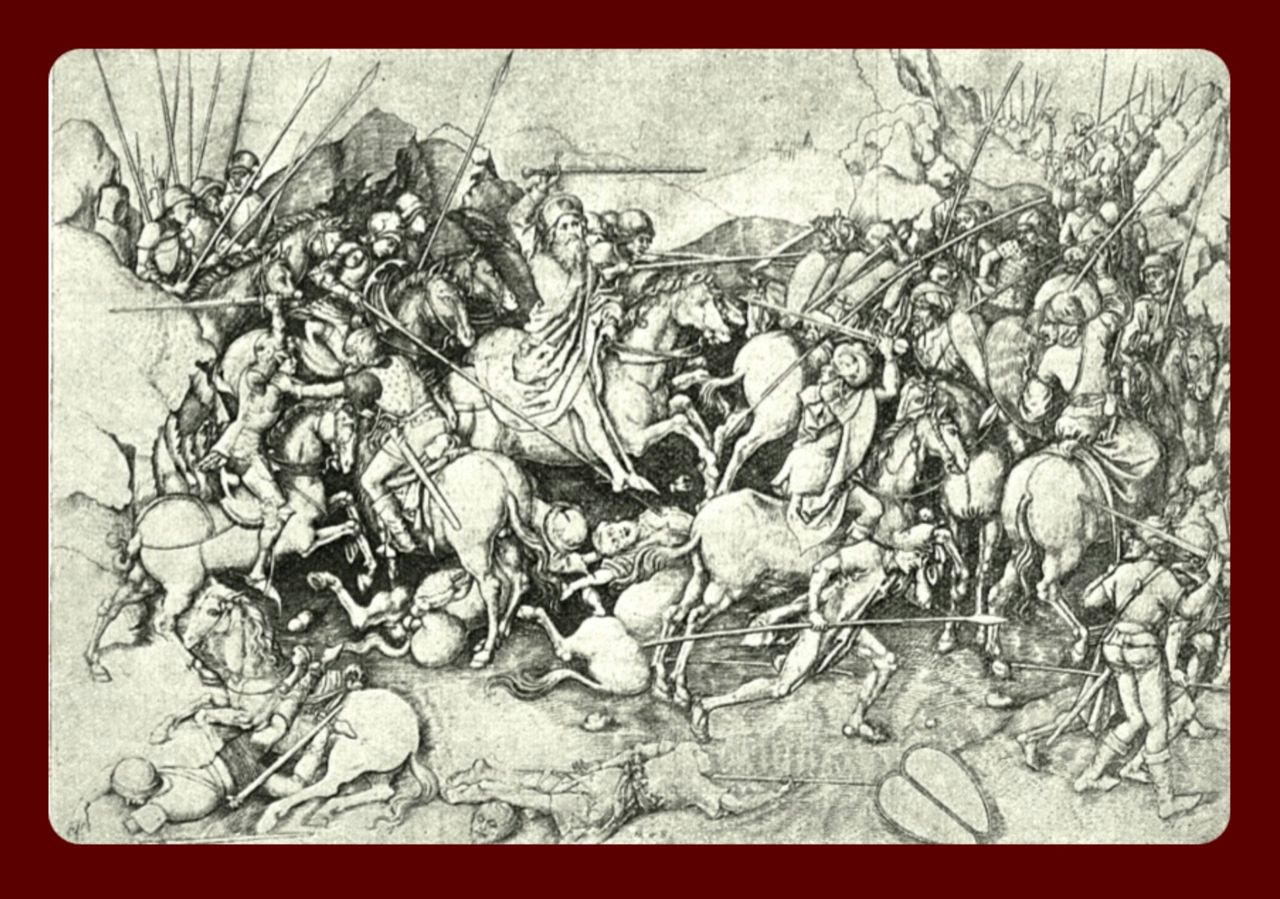
St. James the Major at the Battle of Clavigo. After Martin Schongauer. German, 1470–91.
This is also precisely what gives American Iron Gall Prints their value as cultural assets. They demand protection. Not passive ownership, but active stewardship. Protect, preserve, and share are the hallmarks of heritage. A champion understands that ownership is not the end of the story. It is the beginning of a responsibility. The question every champion must eventually ask themselves: how far into the future will this print be shared?
Preventive care
Williamstown Art Conservation Center recommendations, Project P-2880
Housing
100% cotton rag matboard. Japanese paper hinges with wheat starch paste. Never pressure-sensitive tape. Pendent hinge recommended. Gummed linen tape for mat assembly.
Exhibition
UV-filtering acrylic glazing (Acrylite® OP-3 or Optium Museum Acrylic®). Interior wall. Out of direct sunlight. Stable climate. Never attic or basement storage.
Light and humidity
Visible light, UV radiation, elevated temperature, and elevated humidity will catalyze degradation reactions in the paper and in the iron-containing media. Control all four.
Acquire
Four ways to own the work
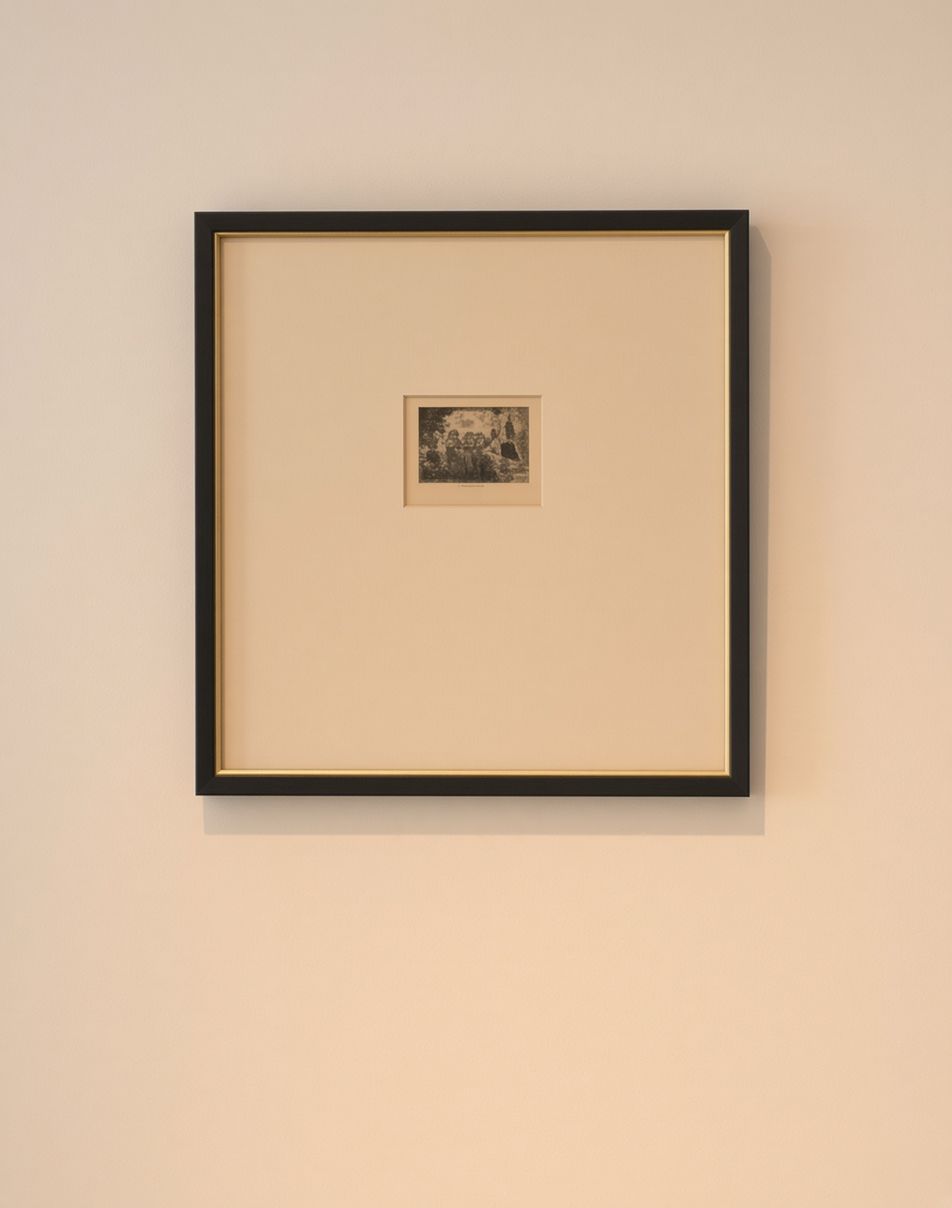
American Iron Gall Print, framed
Commemorative edition
Commemorative print
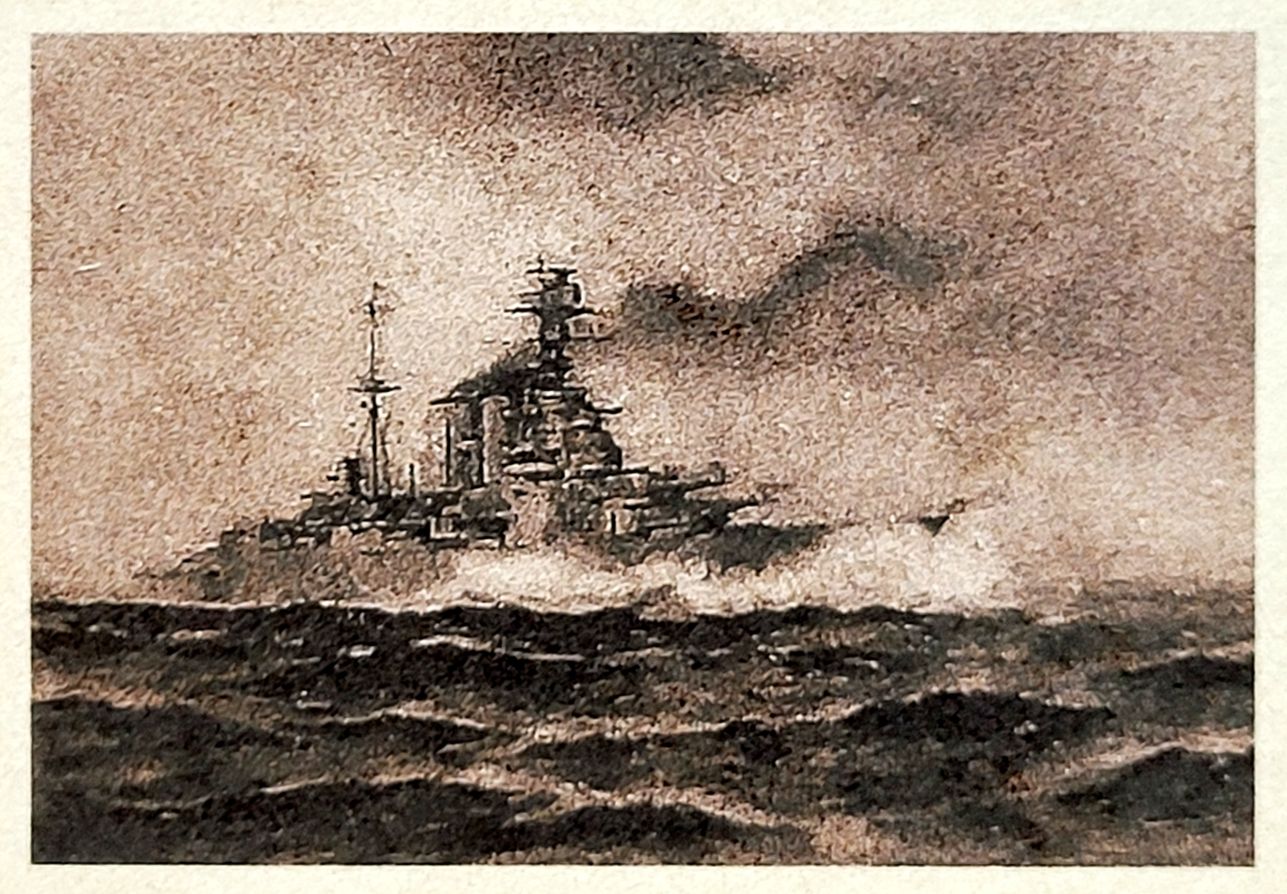
A commemorative iron gall print of a local or historical subject. Smartly casual and charming for a vacation cottage or a year-round home. Small enough to hide in a book. Carries the No 556 mark.
$1,295
InquireCollector tier
Authenticated monotype
After Mr. Flagler's Artists series. Patented iron gall chemistry. Williamstown-verified. Declaration of Authenticity. DUNS-coded serial number. Hand-colored with Henri Roché pastels.
Each piece is a unique monotype. No two exist.

Red. Yellow. Blue. Ponte Vedra Beach, 1971.
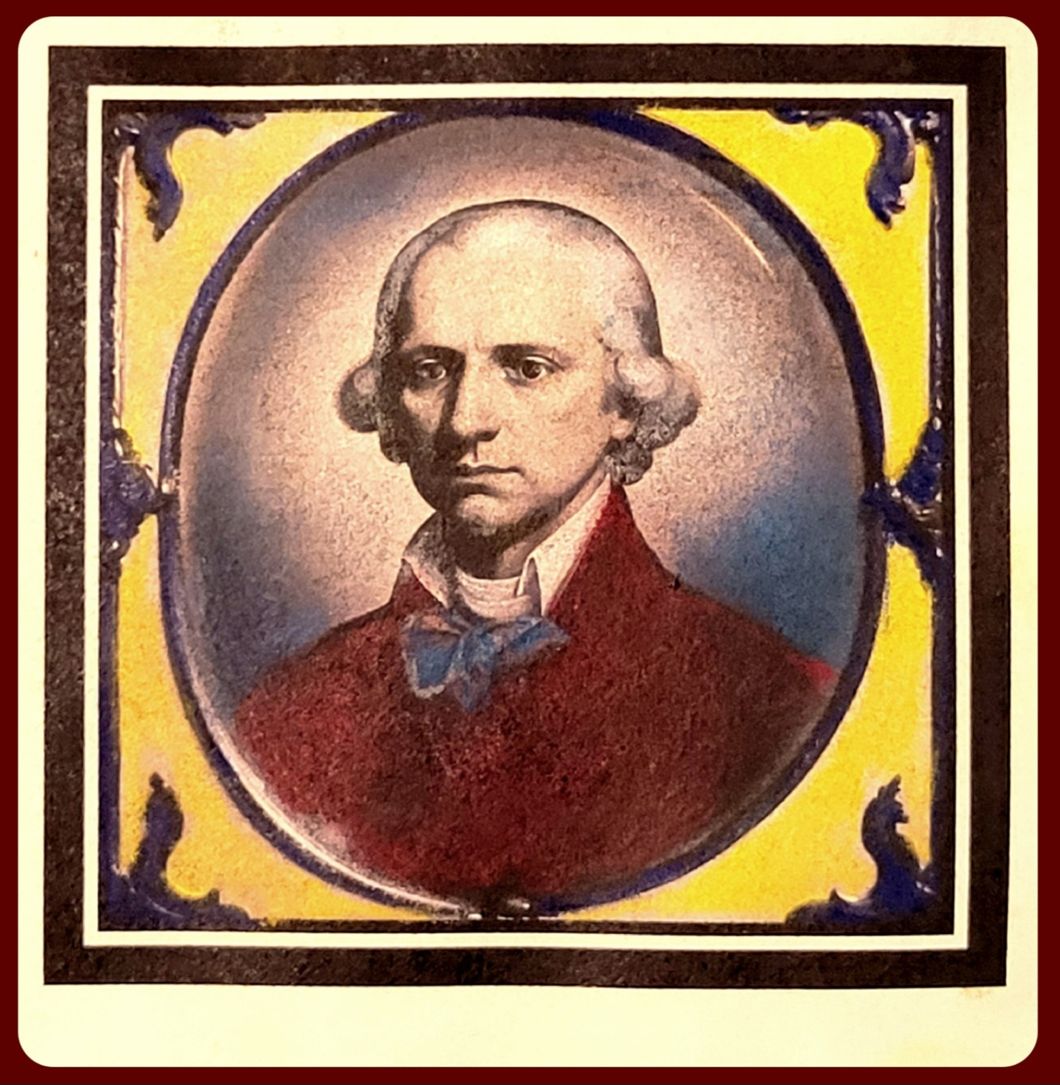
Portrait study. Henri Roché pastels.
$2,250
Starting price. Acquisitions by private inquiry.
Gifts and diplomacy
The occasion speaks for itself.
An American Iron Gall Print arrives graded, numbered, sealed, and authenticated. It requires nothing further from the giver. Patent protected technology. Printed in the United States of America. The right gift in the right moment is one that outlasts the occasion.
Young collectors series
Graded and slabbed
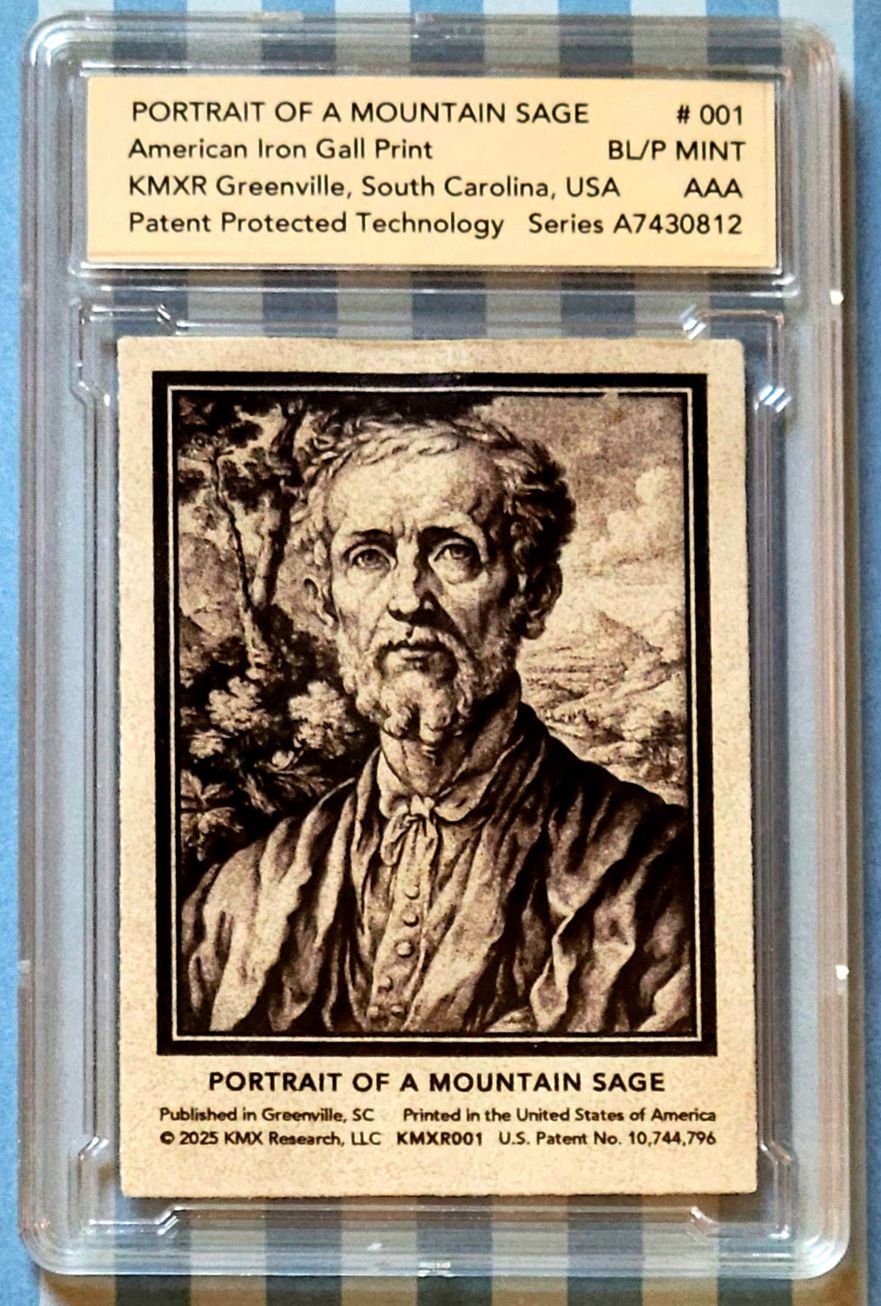
Gifts for when manners matter. Graduations, commemorations, meritorious service, board and investor appreciation, and all executive milestones worth marking permanently. Graded AAA, series numbered, patent protected. American Iron Gall Print, sealed for permanence.
$195
InquireDiplomatic and institutional
The Gift of Substance

Corporate, institutional, diplomatic. An authenticated American work for an occasion requiring a gift of substance. Graded, numbered, patent protected. A patented process. One of a kind by chemistry.
$495
Inquire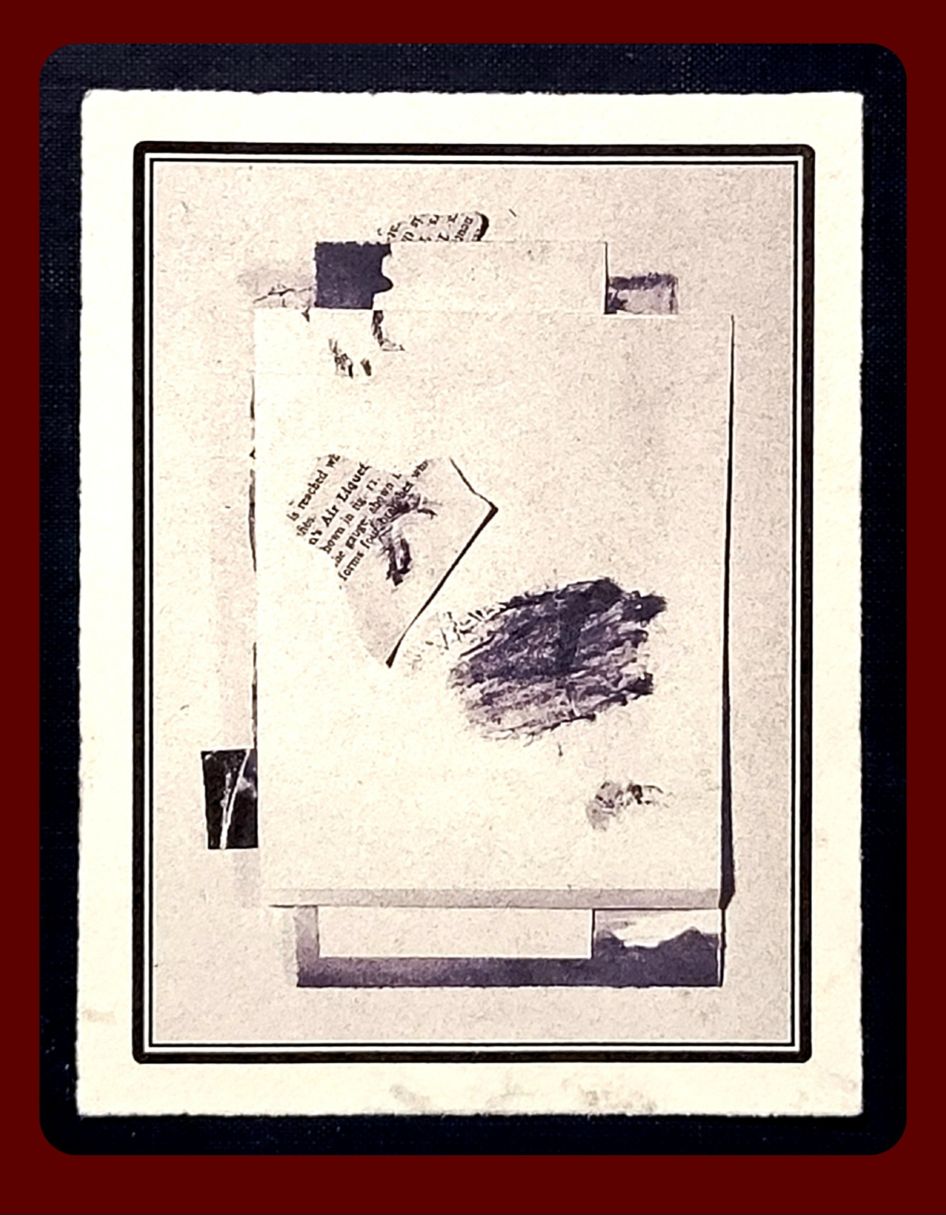
Mr. Roosevelt, Mr. Roosevelt, 2026
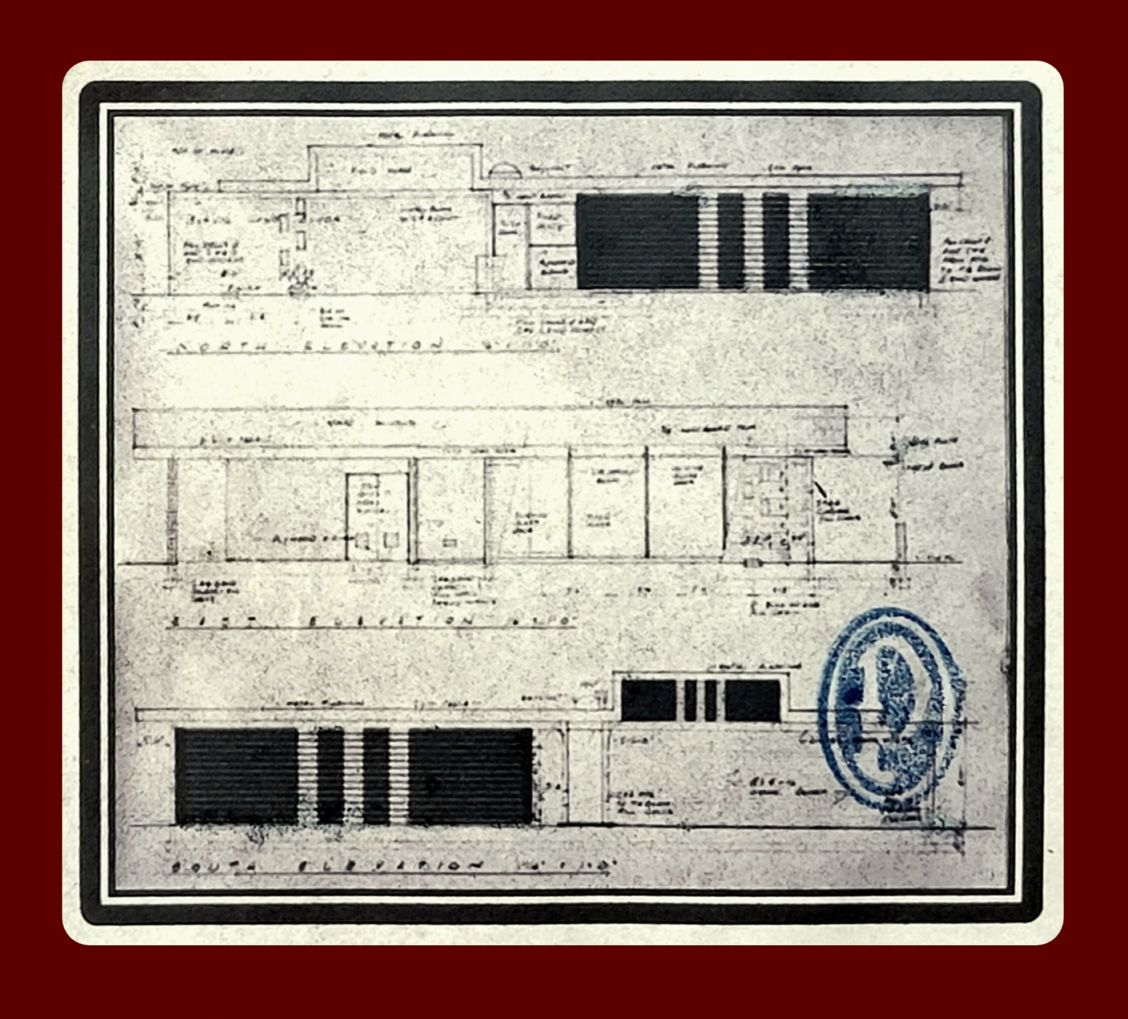
Naval Merit, Lot 10, Block 20, Ponte Vedra Boulevard. 1970.
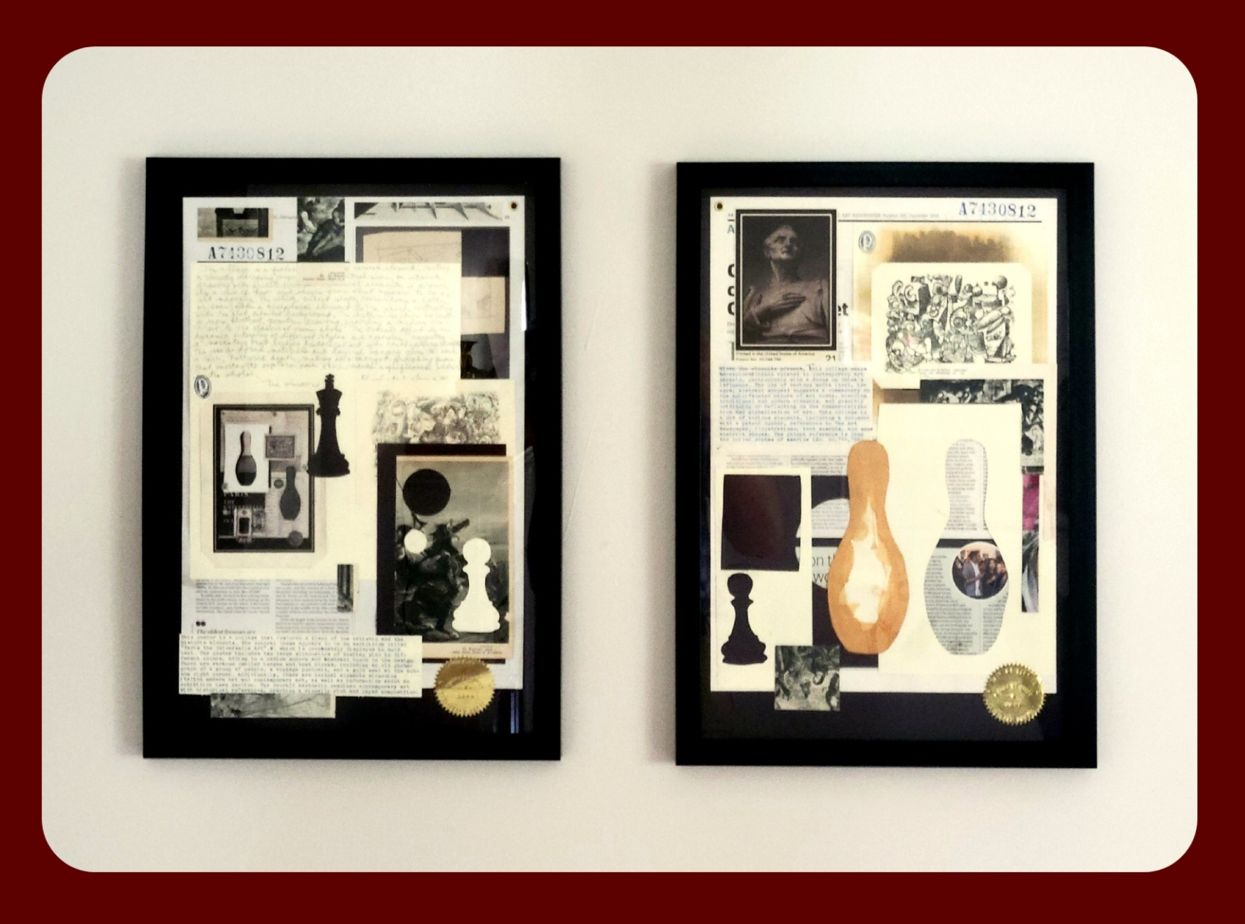
Academy Works. The American School. 2026
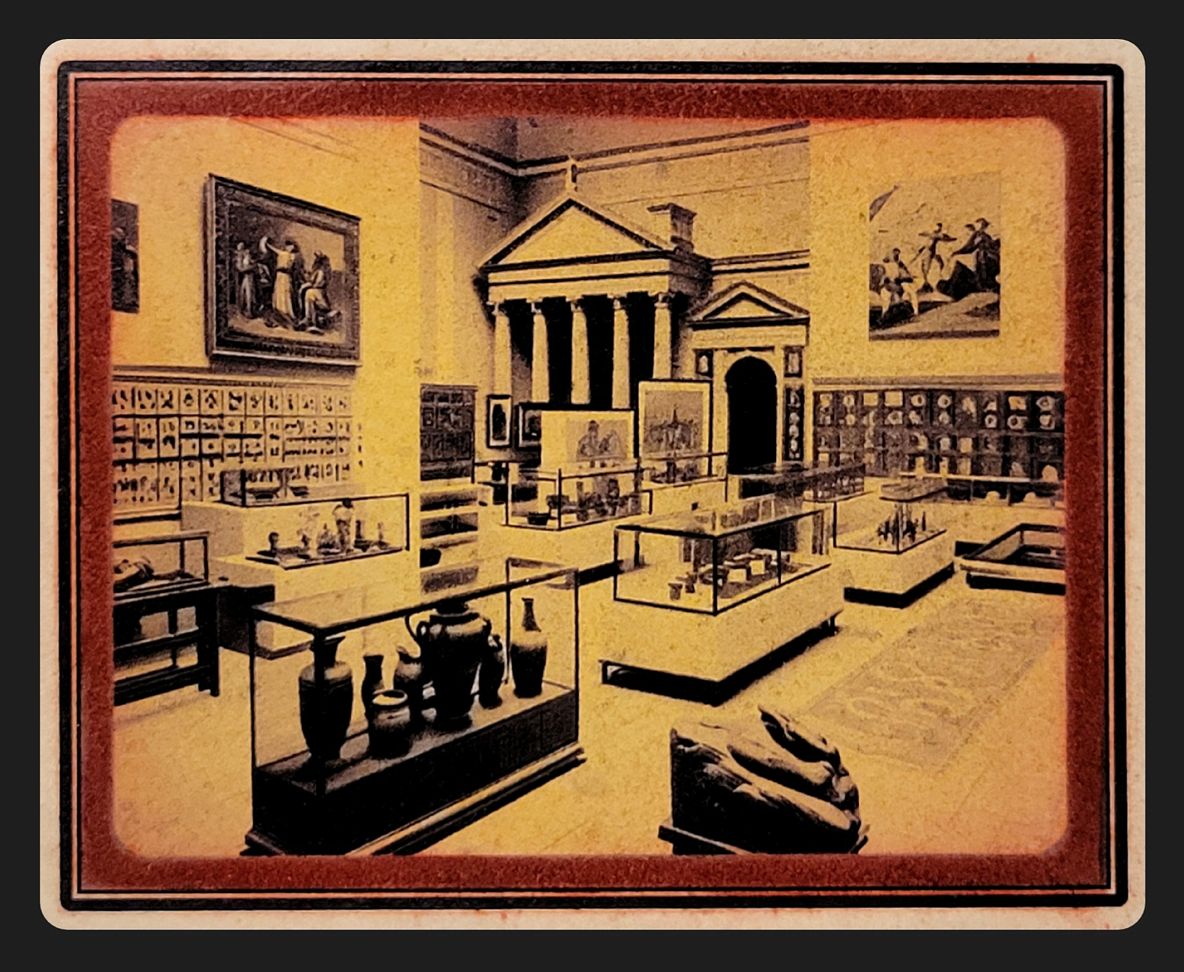
Academy Works. The American School. Museum Gallery. 2026
By commission only
By commission only.
An existing work, rendered in authenticated iron gall chemistry. Small works gallery format, suitable for hand-coloring using oil washes. Each re-creation is unique to the process and carries the full authentication record. Available to artists and institutions.
Select Licensing belowInstitutional development
In-Kind Artwork Donation Program
KMX Research donates original iron gall prints to select 501(c)3 organizations whose missions align with arts, culture, history, education, or conservation. This is an in-kind gift program, not a grant program. Applications are accepted on a rolling basis.
Who may apply
Eligible entities: Verified 501(c)3 nonprofit organizations.
Mission alignment: Core mission must align with arts, culture, history, education, or conservation.
Geographic priority: Preference is given to organizations serving the First Coast region of Northeast Florida (Baker, Clay, Duval, Nassau, Putnam, and St. Johns counties).
Frequency: Limit of one donation per organization per calendar year.
Timeline: Applications are accepted on a rolling basis.
What is offered
The artwork: One original KMX Research iron gall print.
Presentation: Paper-matted and ready for standard 8 × 10 framing.
Documentation: Accompanied by a signed Declaration of Authenticity.
Value distinction: This is a studio-matted iron gall print with full authentication. It is distinct from our commercially offered graded slabbed tier ($195) and our institutional gift tier ($495).
Estimated retail value: $295. Provided for charity auction baseline or insurance purposes; provided at no financial cost to the organization.
Application requirements
Organization profile: Legal organization name and 501(c)3 Employer Identification Number (EIN).
Event details (if applicable): Event description, including the scheduled date, venue, and expected attendance.
Intended use: Explicitly state if the piece will be used for a silent auction, live auction, or an institutional gift or permanent collection. To comply with IRS guidelines, KMX Research tracks the final utilization of all corporate gifts.
Mission statement: A brief summary explaining how your organization's work aligns with our core pillars of art, history, or conservation.
Publication notice: Accepted donations and collaborating organizations may be featured in future KMX Research studio publications and archival documentation.
Note for nonprofit treasurers
This is a gift-in-kind. The estimated retail value of $295 is provided for charity auction baseline or insurance purposes and should not be treated as a formally appraised fair market value. If the work is auctioned, a buyer's charitable deduction is generally limited to the amount paid above the stated ERV. KMX Research LLC is not a public charity; gifts to KMX do not generate a 501(c)3 receipt.
Use the form below and select Institutional Development Requests.
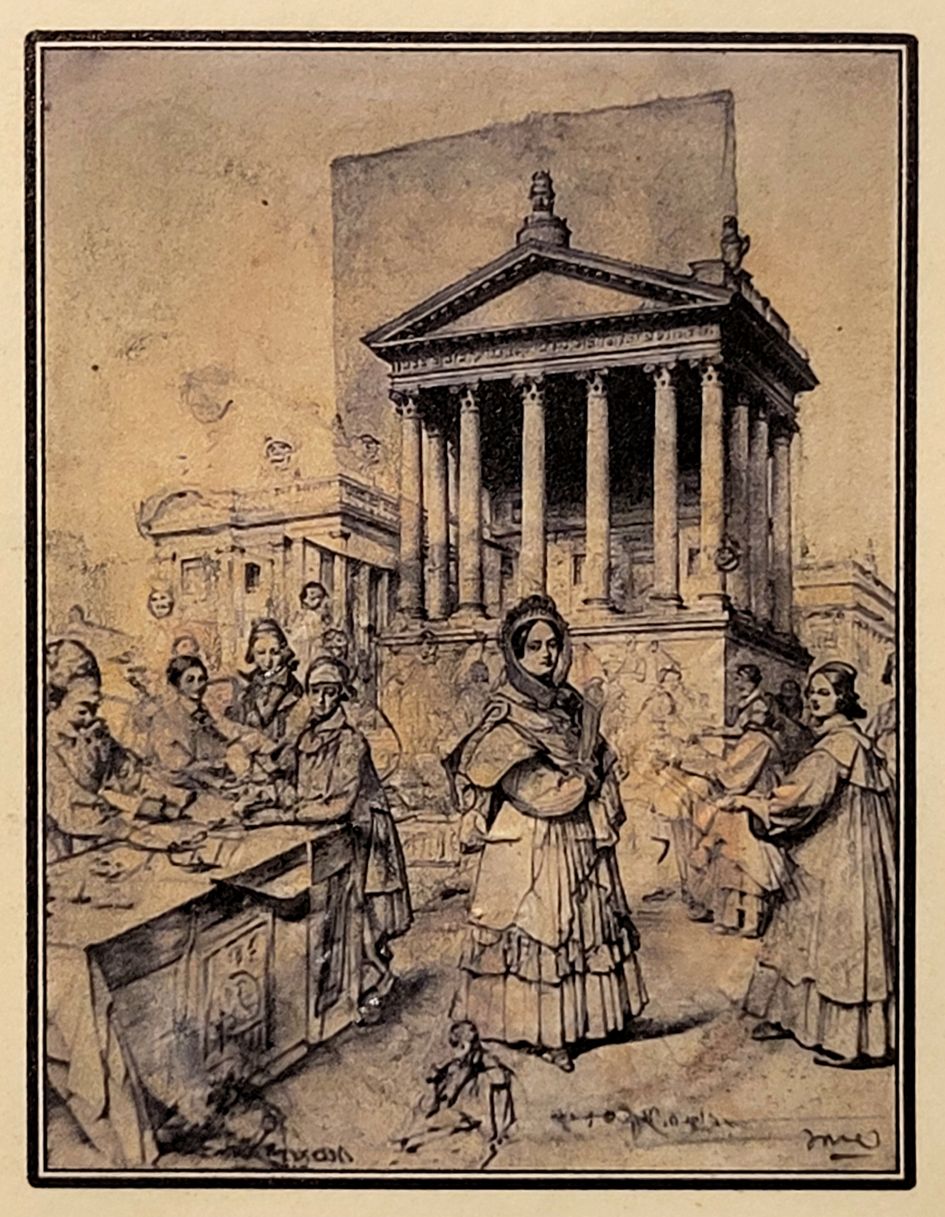
Private inquiry
Begin a conversation
All acquisitions are handled personally.
Each iron gall commission requires
considerable time and precision.
Not every inquiry proceeds to a commission.